
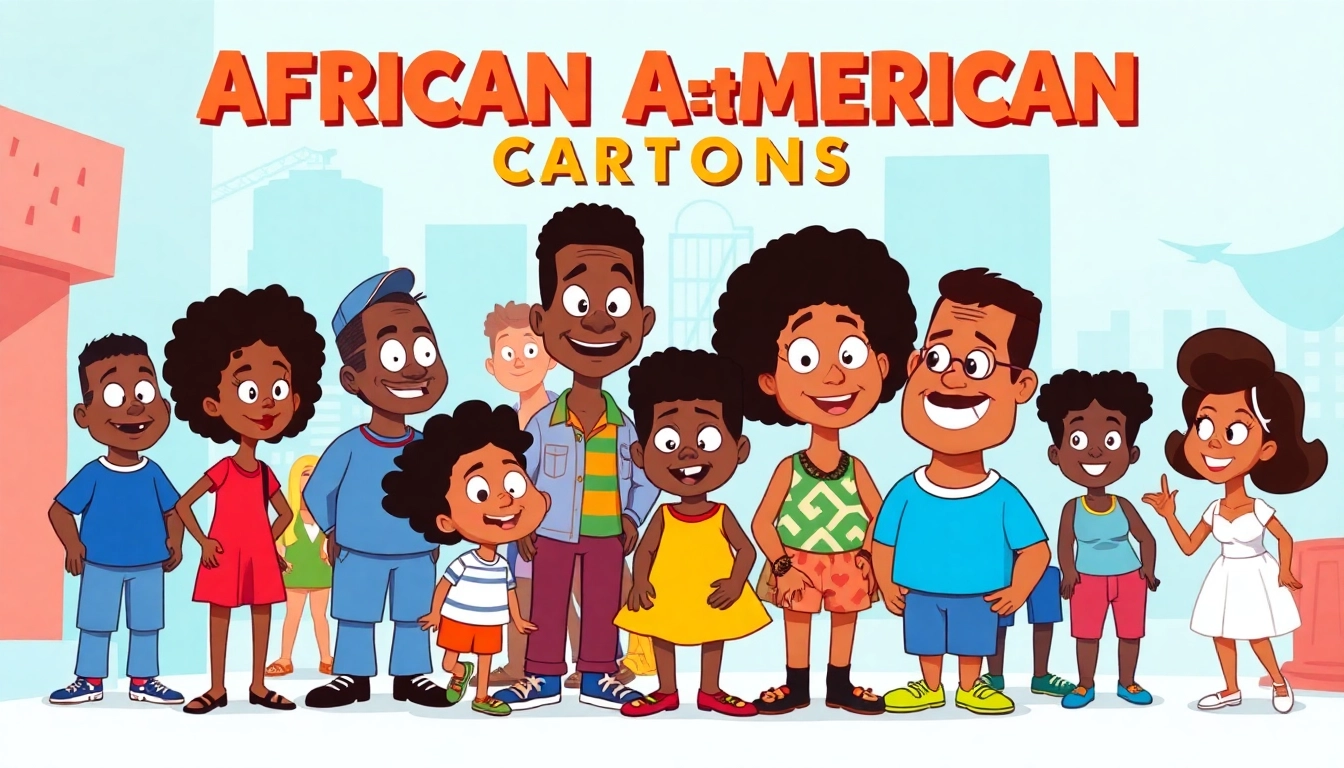
Introduction to African American Cartoons
African American cartoons hold a pivotal place in animation history, blending rich cultural narratives with entertaining storytelling. Through the years, these animated works have highlighted African American voices and perspectives, allowing audiences of all backgrounds to appreciate the depth and vibrancy of this culture. Notable productions have challenged stereotypes, introduced groundbreaking characters, and brought forth stories that resonate with both children and adults alike. Today, platforms like African American Cartoons showcase the best of this genre, offering viewers a diverse array of content that celebrates black culture and creativity.
Historical Context and Evolution
The journey of African American cartoons began in the early 20th century when theatrical animations often portrayed exaggerated stereotypes. The advent of influential works like “Bebe’s Kids” in the 1990s marked a shift towards authentic representation. It was during this period that creators like Bruce W. Smith and Aaron McGruder brought to life characters that reflected real-life experiences of African Americans. These narratives highlighted social issues, cultural pride, and daily realities, setting the stage for more inclusive storytelling.
Key Characteristics and Themes
African American cartoons typically embody several defining characteristics. Often characterized by humor, these animations address serious social topics, from racial identity to family dynamics. The use of vibrant animation styles and compelling story arcs captivates younger audiences while weaving in messages that promote understanding and appreciation of diversity. Key themes often include family, friendship, resilience, and cultural identity, providing both entertainment and education.
Impact on Pop Culture and Society
The impact of African American cartoons extends beyond mere entertainment; they have played a significant role in shaping societal views on race and identity. Series like “The Boondocks” and “The Proud Family” have sparked conversations about cultural representation, social justice, and the importance of voicing the African American experience. These shows have empowered a generation, encouraging unity and dialogue about race while influencing other media forms.
Iconic African American Cartoon Characters
Legends of the Animation Industry
Several characters have become symbols of African American culture in animation. For instance, Huey Freeman from “The Boondocks” stands as a formidable figure, often tackling contemporary social issues and advocating for justice. Similarly, characters such as Uncle Phil from “The Fresh Prince of Bel-Air” have transcended their original contexts, becoming icons of wisdom and authority, showcasing positive black father figures in media.
Children’s Favorites That Inspire
Many cartoons have successfully resonated with children, imparting crucial lessons while entertaining. Doc McStuffins, featuring a young black girl aspiring to be a doctor, encourages children to dream big and embrace their ambitions. “The Proud Family” also tackles themes of family and friendship, becoming a nostalgic favorite for many who now share it with their children, ensuring that the values of community and support continue through generations.
Influential Characters of the 21st Century
As the animation landscape evolves, new characters are taking center stage. Shows like “Craig of the Creek” and “Motown Magic” feature diverse casts that reflect the rich tapestry of African American life. These characters are crafted with sensitivity and insight, promoting a deeper understanding of cultural backgrounds while engaging younger audiences in fun, relatable storylines.
Notable African American Cartoons in the 2020s
What’s Trending in 2026?
As we move through 2026, the trend of African American cartoons continues to flourish. A mix of classic revivals and new storytelling avenues has emerged, captivating a broad audience. Series such as “The Proud Family: Louder and Prouder” not only celebrate nostalgia but also tackle contemporary issues, showing the evolution of themes within the animation industry.
The Role of Streaming Services
Streaming platforms have revolutionized the way audiences access African American cartoons. Services such as Netflix, Hulu, and Disney+ provide dedicated sections for diverse content, allowing users to explore a wide array of animated shows that showcase African American culture. This accessibility promotes new viewership and encourages creators to produce more inclusive and representative work.
New Releases and Upcoming Projects
The future of African American cartoons looks promising, with several projects in development. Upcoming titles are expected to push boundaries further, introducing innovative storytelling methods that cater to evolving audience expectations. Collaborations between established studios and emerging talent are also on the rise, illustrating a commitment to diverse representation in animation.
Educational Value of African American Cartoons
Promoting Diversity and Inclusion
African American cartoons serve as vital tools for educating children about diversity and inclusion. By presenting characters of various backgrounds and experiences, these shows help dismantle stereotypes, fostering empathy and understanding among young audiences. Parents and educators can utilize these cartoons to facilitate discussions around race and culture, making the subject matter accessible and engaging.
Teaching History and Culture Through Animation
Many African American cartoons weave historical narratives into their plots, educating viewers about significant events and figures within the African American experience. Programs like “Little Bill” and “Hey Arnold!” have incorporated lessons about cultural heritage, teaching young audiences about resilience and the importance of their roots.
Resources for Parents and Educators
To maximize the educational impact of African American cartoons, parents and educators can leverage various resources. Websites, lesson plans, and discussion guides can provide context for the stories and themes explored in these shows. Engaging with resources from organizations dedicated to diversity in media can enhance the viewing experience, encouraging deeper discussions about race and representation in animation.
Future Trends in African American Animation
Emerging Voices and Creators
The next wave of African American animators is stepping forward, bringing fresh perspectives to the industry. Emerging creators are crafting narratives that resonate with younger generations, reflecting their experiences while addressing contemporary issues. This influx of new talent promises to expand the diversity of stories told in animation and ensure that various voices are heard.
Technological Advancements in Animation
Advancements in animation technology are enabling more dynamic storytelling techniques. From enhanced CGI to virtual reality experiences, animation is becoming increasingly immersive. These technologies allow creators to experiment with visual storytelling, making narratives more engaging and fostering a deeper connection with audiences.
Looking Ahead: What to Expect
As the animation landscape continues to evolve, the future of African American cartoons is bright. With a growing emphasis on representation and inclusion, audiences can expect to see more stories that reflect the richness of the African American experience. Unique narratives, innovative characters, and advancements in technology will all play pivotal roles in shaping the next generation of animated programming.