Understanding Wedding Flowers
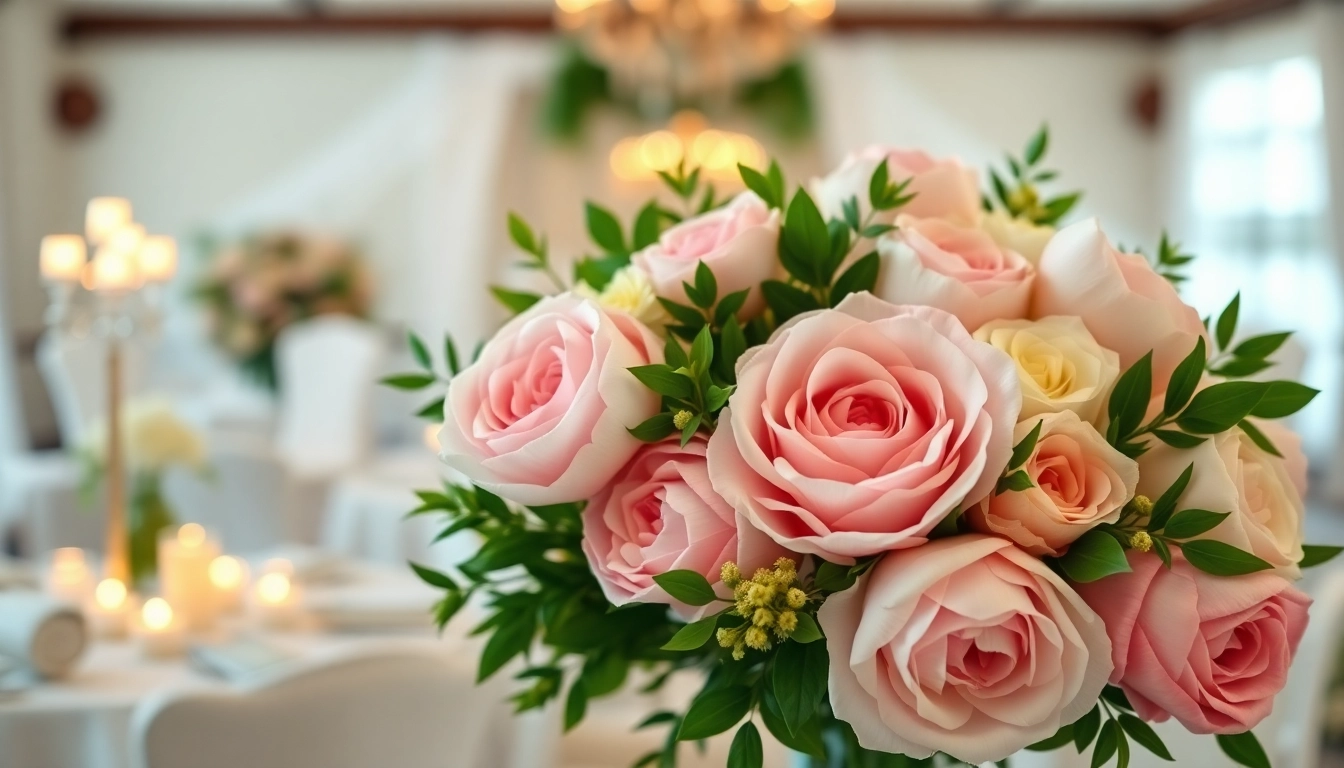
Wedding flowers play a crucial role in crafting the atmosphere and enhancing the overall aesthetic of your special day. From bouquets to centerpieces, they add beauty and elegance, representing love, joy, and commitment. Exploring wedding flowers provides insight into creating a stunning floral vision suited to your unique style and theme.
Types of Wedding Flowers
Choosing the right flowers for your wedding is essential to expressing your personal style. Here’s a comprehensive list of popular types of wedding flowers:
- Roses: Timeless symbols of love, available in numerous colors.
- Peonies: Luxurious blooms perfect for romantic bouquets.
- Tulips: Elegant and graceful, ideal for spring weddings.
- Lilies: Exotic flowers that add a dramatic flair.
- Sunflowers: Bright and cheerful, perfect for rustic themes.
Choosing the Right Flowers for Your Theme
Your wedding theme greatly influences your choice of flowers. Here are some suggestions:
- Rustic: Opt for wildflowers, sunflowers, and soft greenery.
- Classic: Choose white roses, peonies, and hydrangeas for an elegant feel.
- Bohemian: Incorporate colorful blooms such as dahlias and jasmine.
- Beach: Utilize tropical flowers like hibiscus and palm leaves.
- Garden: Embrace soft pastels with delphiniums and sweet peas.
Seasonal Considerations for Wedding Flowers
Flower availability varies across seasons, so opt for seasonal blooms for the best quality and cost-effectiveness:
- Spring: Cherry blossoms, lilies of the valley, tulips.
- Summer: Sunflowers, dahlias, garden roses.
- Autumn: Mums, asters, and rich-hued calla lilies.
- Winter: Poinsettias, amaryllis, and evergreen foliage.
Popular Wedding Flower Arrangements
Bridal Bouquets: Traditions and Innovations
Bridal bouquets are one of the most significant flower arrangements. They have evolved from simple hand-tied posies to elaborate designs:
Traditionally, brides carried bouquets made of herbs and spices to ward off evil spirits. Today, brides can choose vibrant combinations tailored to their tastes:
- Classic Round: A structured bouquet with uniform flowers.
- Freeform: A whimsical arrangement with mixed textures.
- Cascade: A dramatic style with trailing blooms.
- Pomander: A floral ball that can be carried or hung.
Ceremony Décor with Wedding Flowers
The flowers used in your ceremony set the tone for the day:
- Altar Arrangements: Create focal points with large floral displays.
- Aisle Markers: Use small arrangements or lanterns to beautify the aisle.
- Arch Designs: Incorporate flowers into an arch for a stunning backdrop.
Reception Centerpieces Ideas
Centerpieces are essential at your reception, adding elegance to each table setting:
- Low and Lush: Full arrangements that allow for conversation.
- High and Dramatic: Tall arrangements create vertical interest.
- Candle Decor: Integrate candles with flowers for a romantic glow.
- Seasonal Themes: Match centerpieces with seasonal blooms for continuity.
DIY vs. Professional Wedding Flowers
Benefits of DIY Wedding Flower Arrangements
Opting for DIY wedding flowers can save costs and add a personal touch. Benefits include:
- Cost Savings: Purchasing flowers in bulk reduces expenses.
- Creative Freedom: You can customize designs to match your vision.
- Personal Involvement: Engaging friends and family adds sentimental value.
When to Hire a Florist for Wedding Flowers
While DIY can be rewarding, hiring a professional florist is advisable when:
- Complex Arrangements: If your vision requires intricate designs.
- Limited Time: Professionally designed arrangements save time.
- Logistical Challenges: Florists handle delivery and setup for convenience.
Cost Comparison: DIY vs. Professional Wedding Flowers
Consider the costs involved in both options:
DIY may initially seem cheaper, but take into account tools and supplies you may not already own. Hiring a florist can lead to higher upfront costs, but the quality and expertise gained often offset these expenses. Overall, make decisions based on your expertise and how much time you can commit to arrangements.
Maintaining Your Wedding Flowers
Preparation Tips for Fresh Wedding Flowers
To ensure wedding flowers remain fresh and vibrant:
- Cut Stems: Cut at an angle and remove any leaves submerging in water.
- Proper Hydration: Place flowers in clean water before arrangements.
- Cool Space: Keep blooms in a cool environment to delay wilting.
Preserving Wedding Flowers After the Event
To preserve your flowers as keepsakes:
- Drying: Hang bouquets upside down in a dark, dry place.
- Pressing: Press individual blooms between heavy books.
- Resin: Consider encasing flowers in resin as art pieces.
Creative Uses for Leftover Wedding Flowers
Don’t let leftover flowers go to waste; here are some creative uses:
- Gifts: Give to guests or family members as thank-you tokens.
- Decor: Incorporate in home décor arrangements or wreaths.
- Compost: For those eco-conscious couples, composting helps the garden.
FAQs About Wedding Flowers
What types of flowers are popular for weddings?
Popular wedding flowers include roses, peonies, tulips, lilies, and sunflowers, each offering beauty and meaning.
How do I choose a color palette for my wedding flowers?
Select a color palette that complements your gown and wedding theme. Consider the season and venue when choosing colors.
When should I order my wedding flowers?
Order your wedding flowers at least 3-6 months in advance to ensure availability and allow time for any adjustments.
Can I mix fresh and artificial wedding flowers?
Yes, mixing fresh and artificial flowers can provide continuity and durability while creating a unique floral design.
How can I make my wedding flowers last longer?
To prolong freshness, keep flowers hydrated, remove any wilted parts, and store them in a cool place away from direct sunlight.