Understanding AI Image Detection Technology
In an increasingly digital world, the capacity to differentiate between authentic and AI-generated images has become paramount. The advent of generative AI technologies has made it easier to create hyper-realistic images, often blurring the lines between reality and fabrication. As a result, tools such as the free ai image detector are emerging as essential resources for individuals and organizations striving to maintain the integrity of visual information.
What is AI Image Detection?
AI image detection refers to the use of artificial intelligence algorithms and machine learning techniques to analyze images and determine whether they have been generated by an AI or altered through digital manipulation. This technology employs complex pattern recognition and statistical analysis to identify anomalies that are often indicative of AI involvement.
How AI Image Detectors Work
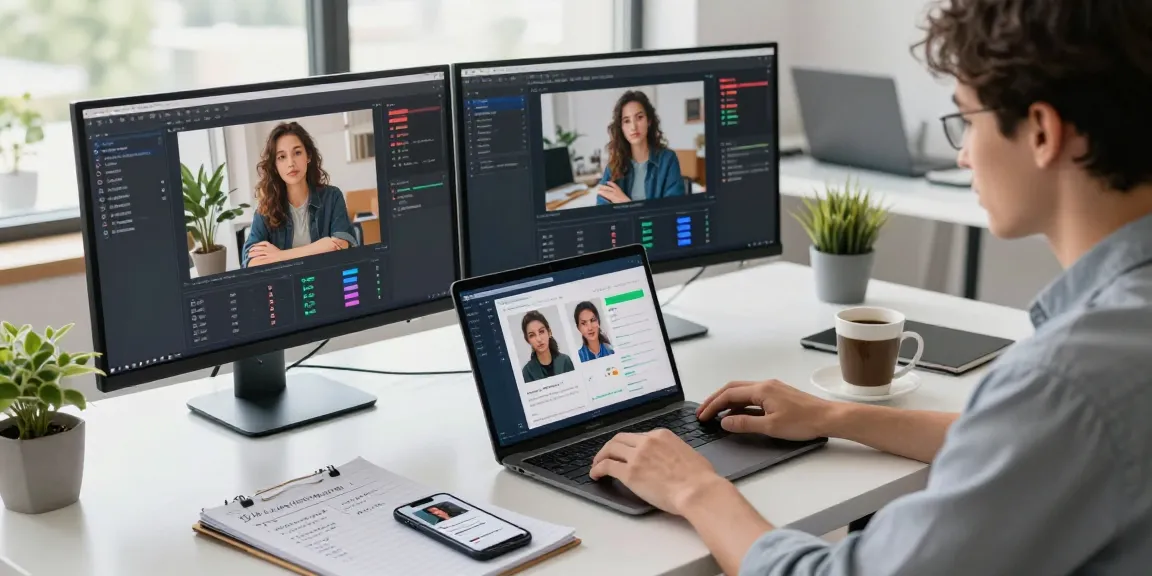
AI image detectors typically utilize convolutional neural networks (CNNs) that have been trained on large datasets consisting of both AI-generated and real images. During the detection process, these tools scan for specific visual markers, such as unnatural textures, inconsistencies in lighting, and uncommon patterns that do not align with authentic photographs. The analysis often also involves examining metadata to check for signs of manipulation.
Key Features of Effective Tools
- High Accuracy Rates: Leading AI image detectors boast high precision in identifying AI-generated content, often providing detailed probability scores and confidence levels.
- Support for Various Formats: A robust detector should support multiple image formats, including JPG, PNG, WebP, and GIF.
- Fast Processing Times: Users expect quick analysis results, typically within seconds.
- User-Friendly Interfaces: Easy drag-and-drop functionality enhances the user experience, requiring no technical expertise.
Benefits of Using a Free AI Image Detector
As businesses and individuals navigate the complexities of digital content creation, leveraging a free AI image detector offers significant advantages. These tools not only foster transparency but also empower users to verify the authenticity of images before sharing.
Cost Efficiency for Individuals and Businesses
One of the most appealing aspects of free AI image detectors is their accessibility. Organizations and individuals can utilize these tools without incurring costs, allowing them to maintain a higher standard of quality and integrity in their visual content without breaking the bank.
Enhancing Image Verification Processes
With the rise of misinformation and manipulated images, enhancing image verification processes is critical. By using AI image detectors, users can effectively verify the authenticity of images utilized in marketing campaigns, news articles, and social media posts, thereby improving their credibility and trustworthiness.
Combatting Misinformation and Fraud
AI-generated images can often lead to misinformation, especially in sensitive contexts such as journalism and social media. AI image detectors provide a reliable method to combat this issue, alerting users to potentially deceptive imagery and fostering a more informed public.
Comparing Top Free AI Image Detectors in 2026
As the landscape of AI image detection continues to evolve, various tools have emerged, each offering unique features and capabilities. Evaluating these tools is essential for users seeking the best fit for their needs.
Features and Functionality of Leading Tools
- DeepAI: Known for its simplicity and speed, DeepAI’s image detector provides instant results and supports diverse image formats.
- Sightengine: This tool specializes in identifying deepfakes and image manipulations, equipped with an easy-to-use interface and high accuracy.
- NoteGPT: Its advanced algorithm effectively detects AI-generated images, making it popular among content creators and journalists.
User Experiences and Feedback
User feedback plays a vital role in assessing the efficacy of AI image detectors. Tools that consistently deliver accurate results tend to receive higher ratings from users, contributing to their credibility and popularity within the community.
Performance Metrics and Accuracy Ratings
When comparing different AI image detectors, it’s essential to consider their accuracy ratings. Tools like ZeroGPT and WasItAI have garnered praise for their high precision in detecting AI-generated content, making them reliable options for users.
Common Use Cases for AI Image Detection
AI image detection is becoming indispensable across various sectors, from journalism to social media. Understanding common applications can help users maximize the benefits of these tools.
Applications in Journalism and Media
Journalists and media outlets routinely utilize AI image detectors to verify the authenticity of images sourced from social media or individual contributors. This process helps to uphold journalistic integrity and combat the spread of fake news.
Use in Social Media and Content Creation
Content creators who rely on stock images or third-party visuals can employ AI image detectors to ensure their content meets ethical standards, avoiding the dissemination of misleading or manipulated images.
Legal and Copyright Implications
AI image detection can also have significant implications in legal contexts, especially regarding copyright infringement. By accurately determining whether an image has been generated or altered, these tools can assist in legal disputes over image ownership.
Future Trends in AI Image Detection
As technology advances, the future of AI image detection promises even more innovative solutions. Staying informed about these trends can equip users with the knowledge needed to navigate a rapidly changing digital landscape.
Emerging Technologies and Innovations
Future AI image detectors are expected to leverage even more sophisticated machine learning algorithms, integrating features such as real-time detection and enhanced accuracy through continuous learning from user inputs.
Predictions for AI Integration in Image Analysis
Predictions indicate that AI integration will lead to more automated processes in image analysis, with tools becoming more intuitive and requiring less manual input from users.
Preparing for Changes in Technology Landscape
As the technology landscape evolves, users must remain adaptable, understanding the implications of new tools and continuously updating their knowledge to effectively utilize AI image detection technologies.
What image formats does the free AI image detector support?
The free AI image detector is designed to accommodate a variety of image formats, including JPG, PNG, WebP, and GIF. This flexibility ensures that users can upload images from multiple sources without encountering compatibility issues.
Is the AI image detector accurate?
Yes, the accuracy of AI image detectors varies among different tools, but many leading detectors achieve impressive accuracy rates through advanced algorithms and extensive training on vast datasets of AI and real images. Users often receive detailed reports indicating the likelihood that an image is AI-generated.
Do I need to create an account for using the tool?
Most free AI image detectors, including those offered at major platforms, do not require users to create an account. This ease of access allows individuals to quickly assess images without the need for additional personal information.
Can I perform multiple checks per hour?
Usage limits for free AI image detectors vary by provider. While most tools allow multiple checks per hour, some may impose restrictions to ensure equitable access for all users. It’s advisable to review the specific terms of each service.
What are the privacy policies regarding uploaded images?
Reputable AI image detection services typically maintain strict privacy policies, ensuring that uploaded images are not stored or used for any other purposes. Users should review the privacy policies of individual tools to confirm their data handling practices.