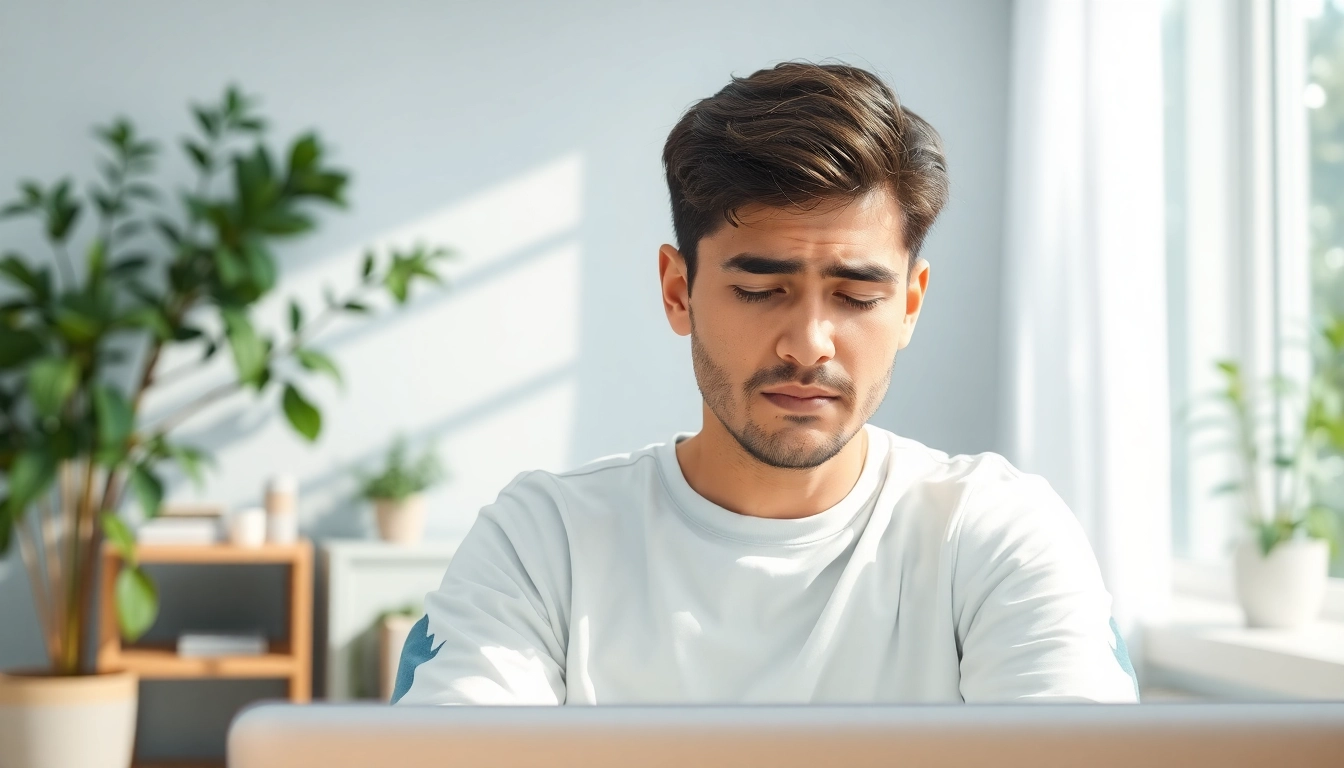
What Are Anxiety Symptoms?
Definition and Overview
Anxiety is a natural response of the human body to perceived threats or stressors. It's a complex condition that can manifest in various ways, affecting both physical and mental health. Anxiety symptoms can range from mild tension or worry to severe panic attacks, shaping how individuals respond in everyday situations. An understanding of these symptoms is crucial for anyone looking to identify anxiety in themselves or others.
Common Physical Anxiety Symptoms
Individuals often experience a host of physical symptoms when struggling with anxiety. Some of the most common include:
- Increased Heart Rate: A racing heart can signal the body’s "fight or flight" response.
- Shortness of Breath: Anxiety can cause rapid breathing, leading to feelings of suffocation.
- Muscle Tension: Many report tightness or pain in muscles due to constant tension.
- Fatigue: Chronic anxiety can exhaust both mind and body, leading to sleep issues.
- Gastrointestinal Symptoms: This can include nausea, diarrhea, or other digestive disturbances.
These symptoms can often be mistaken for other medical conditions, making it essential to recognize their links to anxiety.
Emotional and Psychological Anxiety Symptoms
Anxiety is not just physical; it significantly impacts emotional and psychological well-being. Common emotional symptoms include:
- Excessive Worry: Persistent worrying about various aspects of life can become overwhelming.
- Feelings of Restlessness: The need to keep moving or an inability to calm down can be pronounced.
- Irritability: An inability to manage stress can result in heightened irritability or anger.
- Difficulties Concentrating: Anxiety can cloud judgment and hinder focused thought.
Identifying these symptoms is integral to understanding how anxiety affects overall functionality and quality of life.
Recognizing Anxiety Symptoms
Early Warning Signs
Awareness of early signs of anxiety is crucial for timely intervention. Some early warning signs are:
- Restlessness: A persistent need to move or feeling on edge.
- Sleep Disruption: Difficulty falling asleep or staying asleep can be an early indicator.
- Social Withdrawal: Avoiding social situations previously enjoyed may signal growing anxiety.
Recognizing these signs early can enable individuals to seek appropriate support before symptoms escalate.
When Symptoms Become Severe
As anxiety progresses, symptoms may become more severe, leading to debilitating situations. This might include:
- Panic Attacks: Sudden overwhelming fear, often accompanied by physical symptoms.
- Agoraphobia: Avoidance of situations where escape might be difficult.
- Chronic Fatigue: Overwhelming tiredness affecting everyday life.
Severe symptoms necessitate immediate strategies to manage anxiety effectively or professional intervention.
Self-Assessment Techniques
Understanding one’s anxiety symptoms can empower individuals to take control of their mental health. Techniques for self-assessment include:
- Journaling: Keeping a diary of emotions connected with daily activities may reveal patterns.
- Mindfulness Practices: Engaging in mindfulness can help individuals tune into their feelings and physical states.
- Rate Your Anxiety: Use a scale from 1-10 to quantify experiences of anxiety over time.
These methods promote self-awareness and direct individuals toward appropriate coping mechanisms.
Causes Behind Anxiety Symptoms
Genetic and Biological Factors
Anxiety can have a genetic predisposition, making some individuals more susceptible than others. Researchers suggest that anxiety disorders can run in families, indicating that genetics can play a significant role. In addition, imbalances in brain chemistry, particularly neurotransmitters like serotonin and dopamine, are associated with increased anxiety levels.
Environmental Influences
Anxiety can also arise from environmental factors. These include adverse childhood events, ongoing stress, and trauma experiences. High-stress environments, whether from work, relationships, or financial difficulties, can amplify anxiety symptoms significantly. Awareness of these external factors can aid in understanding and managing anxiety.
Psychological Triggers
Certain thought patterns may contribute to the onset of anxiety symptoms. Common triggers include:
- Negative Self-Talk: Self-critical thoughts can spiral into anxiety.
- Perfectionism: High expectations can lead to chronic feelings of failure.
- Catastrophizing: Assuming the worst outcomes in stressful situations fuels anxiety.
Identifying these psychological triggers can help in building tailored coping strategies.
Managing Anxiety Symptoms
Self-Care Strategies
Incorporating self-care strategies is vital for managing anxiety symptoms successfully. Effective strategies include:
- Regular Exercise: Physical activity releases endorphins that naturally alleviate stress.
- Breathing Exercises: Simple techniques, like deep breathing, can help reduce acute anxiety.
- Healthy Diet: A well-balanced diet can impact mood and energy levels.
Engaging in these practices can significantly enhance resilience against anxiety symptoms.
When to Seek Professional Help
While self-care can be effective, recognizing when to seek professional help is crucial. Consider consulting a mental health professional when:
- Anxiety interferes with daily functioning.
- Self-help strategies do not provide relief.
- Physical symptoms arise frequently without clear medical causes.
Professional intervention is essential for more severe cases, possibly involving therapy or medication.
Summary of Treatment Options
Various treatment options are available for managing anxiety symptoms, including:
- Cognitive Behavioral Therapy (CBT): Effective in altering negative thought patterns.
- Medication: Serotonin reuptake inhibitors (SSRIs) are commonly prescribed.
- Support Groups: Sharing experiences with others can provide comfort and strategies.
Exploring these options can guide individuals toward effective management of their anxiety symptoms.
FAQ About Anxiety Symptoms
What are the first signs of anxiety symptoms?
The first signs often include restlessness, sleep disturbances, and excessive worry about everyday situations.
Can anxiety symptoms vary from person to person?
Yes, anxiety symptoms can differ greatly among individuals, influenced by personal history and coping mechanisms.
How can I manage anxiety symptoms at home?
Practicing self-care, such as regular exercise, deep breathing, and mindfulness can effectively manage anxiety symptoms at home.
Are there long-term solutions for anxiety symptoms?
Long-term solutions include therapy, medication, and lifestyle changes that help maintain balanced mental health.
What should I do if my anxiety symptoms worsen?
If symptoms worsen, it's crucial to consult a mental health professional for tailored guidance and potential treatment adjustments.