Understanding Steel Fabrication
Definition and Importance of Steel Fabrication
Steel fabrication is a vital industrial process that involves the construction of steel structures by cutting, bending, and assembling metal materials. This technique is foundational across various industries, prominently in construction, manufacturing, and infrastructure development. The significance of steel fabrication lies in its ability to produce customized and high-quality metal components that are essential for constructing buildings, bridges, and other critical infrastructure.
Steel fabrication addresses the specific requirements of each project and contributes to the overall durability, stability, and aesthetic appeal of structures. Innovations in fabrication techniques have increased the efficiency and precision of these processes, thus improving overall project timelines and reducing waste. Understanding the nuances of steel fabrication is critical for stakeholders looking to optimize outcomes in their construction projects.
The Role of Steel Fabrication Shops in Construction
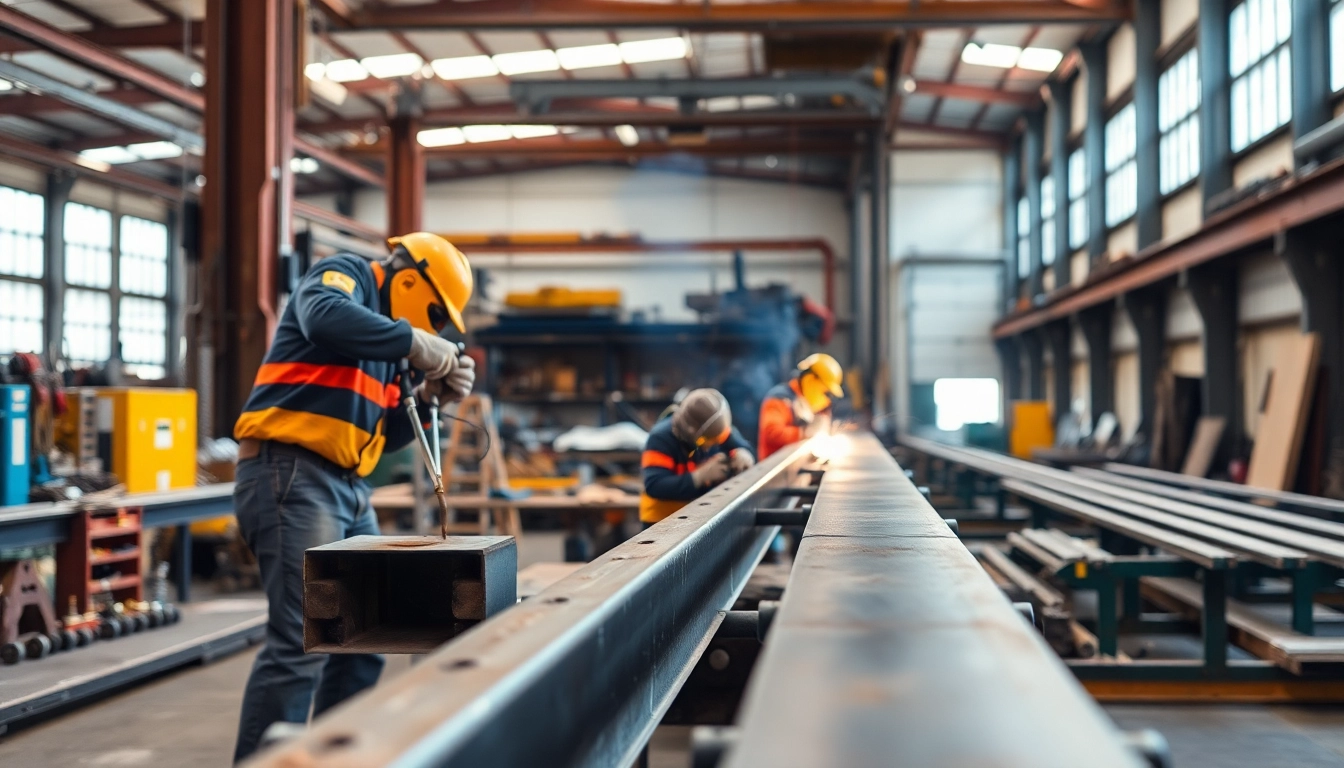
A steel fabrication shop serves as a hub where the theoretical aspects of steel design come to life. These establishments employ skilled craftsmen and advanced machinery to transform raw steel into valuable components. They play an integral role in the construction industry by supplying everything from structural beams and columns to intricate ornamental features and custom components.
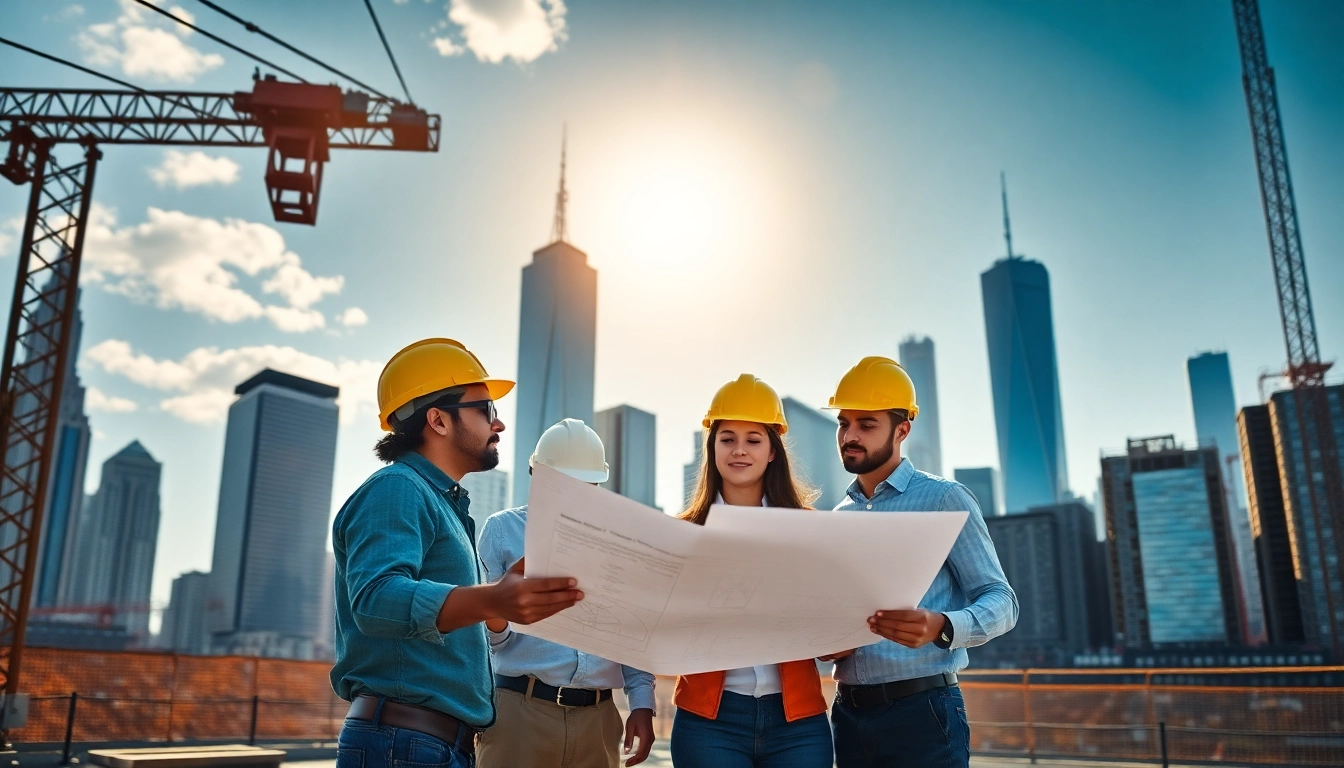
Moreover, steel fabrication shops facilitate collaboration among engineers, architects, and builders. Their expertise ensures that project designs are feasible and aligned with engineering principles while managing costs effectively. Hence, the choice of a fabrication shop can significantly influence the success of a construction project.
Key Processes in Steel Fabrication
Steel fabrication involves several key processes that must be meticulously executed to achieve high-quality results. These processes include:
- Cutting: The process begins with cutting raw steel material into manageable sizes according to project specifications. This can be achieved through various methods, including saw cutting, plasma cutting, and laser cutting.
- Bending: After cutting, steel pieces may need to be bent or shaped to fit specific design requirements. This is typically done using press brakes or roll bending machines, allowing for different angles and curves.
- Welding: Welders join the cut and bent pieces, ensuring structural integrity. Various welding techniques such as MIG, TIG, or stick welding are employed based on the material and design specifications.
- Finishing: The final stage often includes surface treatment to protect against corrosion or enhance aesthetic appeal. This can involve painting, galvanizing, or applying other protective coatings.
Each step in the process must be executed with precision, as errors in fabrication can lead to significant delays and increased costs during construction.
Core Services Offered by Steel Fabrication Shops
Welding and Metal Joining Techniques
Welding is a core service provided by steel fabrication shops, essential for joining metal parts securely. Numerous techniques are used, including:
- Shielded Metal Arc Welding (SMAW): This traditional method, also known as stick welding, uses an electric arc to melt and join metals.
- MIG Welding (Metal Inert Gas): Utilizes a continuous wire feed as an electrode, providing a simpler and faster way to weld thin sections of steel and other metals.
- TIG Welding (Tungsten Inert Gas): Offers greater precision for thinner materials and is useful for creating clean and strong welds.
- Submerged Arc Welding (SAW): This process is highly productive for thick steel and produces high-quality welds.
Each technique has its specific applications, suited to different project requirements and material types. Consequently, steel fabrication shops often choose the most appropriate method based on client needs, project specifications, and budget constraints.
CNC Machining and Cutting Services
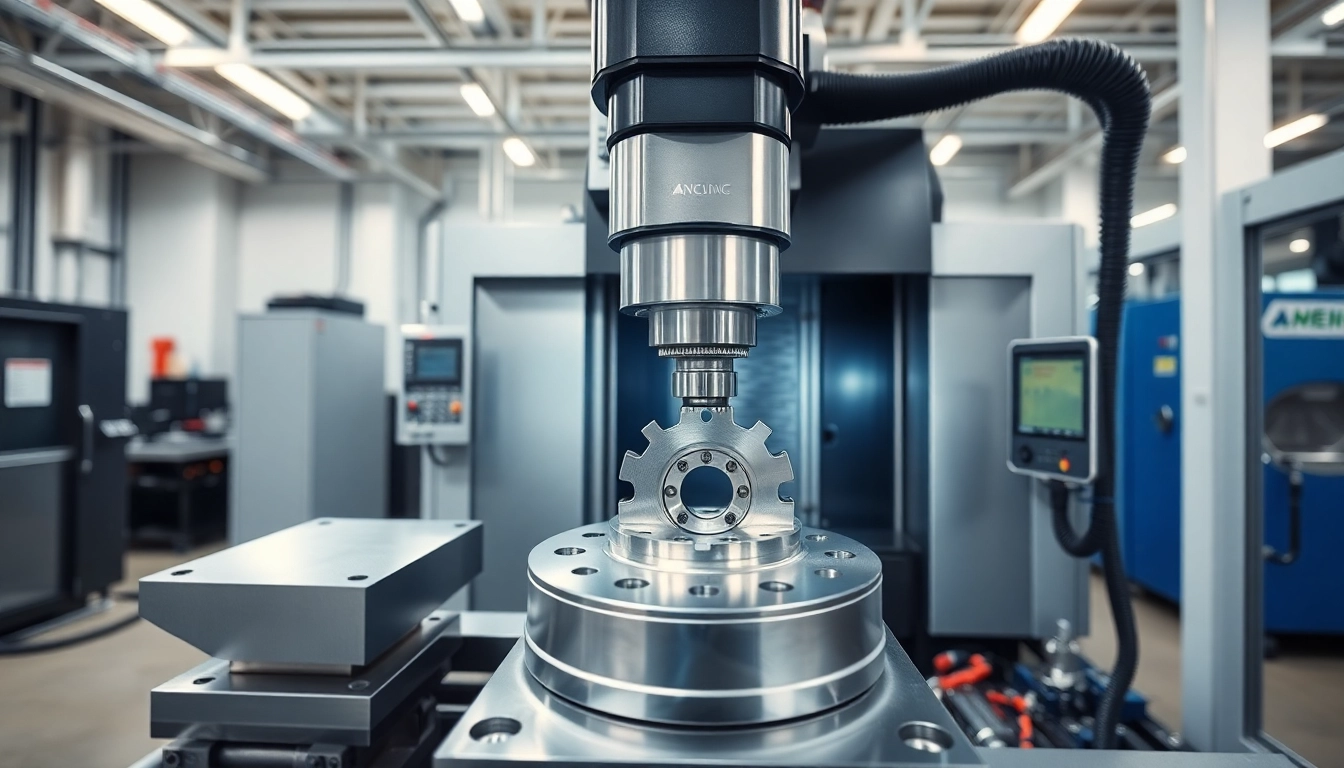
Computer Numerical Control (CNC) machining has revolutionized the way steel is fabricated. CNC machines automate the cutting and shaping processes, allowing for unparalleled precision and repeatability. Typical CNC operations include:
- CNC Milling: Suitable for producing complex shapes by removing material from a solid block of steel.
- CNC Plasma Cutting: This technique uses plasma technology to cut through steel efficiently, making it ideal for large-scale operations.
- CNC Laser Cutting: Provides extreme precision, making it perfect for detailed designs and thin metal sheets.
The advantages of CNC technology include enhanced productivity, reduced lead times, and improved quality control, making it a staple service within any modern steel fabrication shop.
Assembly and Installation Solutions
Beyond fabrication, many steel fabrication shops offer assembly and installation services, contributing to a streamlined building process. These services typically include:
- Preassembly: Components are often partially assembled off-site before being delivered to the construction location. This practice minimizes on-site construction time.
- Installation Services: Experienced technicians ensure that structures are installed correctly, adhering to safety and engineering standards.
- Project Management: Effective communication and project oversight are crucial. Many fabrication shops provide these services to keep projects on track, coordinating between various stakeholders and trades.
Incorporating assembly and installation into their offerings allows shops to provide comprehensive solutions, improving client satisfaction and project efficiency.
Best Practices for Choosing a Steel Fabrication Shop
Evaluating Quality and Experience
When selecting a steel fabrication shop, the quality of workmanship is paramount. Clients should evaluate prospective shops based on their portfolio, examining previous projects for craftsmanship and suitability to their specific needs. Key factors to consider include:
- Experience: Shops with extensive experience are likely to have dealt with a variety of challenges, equipping them to handle potential issues effectively.
- Client References: Testimonials from past clients reveal insights into reliability, communication, and overall satisfaction.
- Project Scope: Ensure that the shop has experience working on projects similar in scale and complexity to yours.
Ultimately, choosing a shop with proven quality and a track record of successful project delivery is vital for achieving desired outcomes.
Checking Certifications and Compliance
Certifications demonstrate a fabrication shop's adherence to industry standards and best practices. Clients should verify the following:
- ISO Certification: This confirms that the shop meets international quality management standards.
- Welding Certification: Certified welders indicate that the shop employs qualified personnel capable of maintaining quality joinery.
- Health and Safety Compliance: An established safety record is crucial for protecting both workers and clients from potential liabilities.
Certifications not only enhance a shop's credibility but also assure clients of their commitment to quality and safety in all operations.
Understanding Material Options and Customization
The flexibility offered by steel fabrication shops is highlighted through their ability to provide custom solutions tailored to unique project needs. Clients should inquire about:
- Material Types: Understand the options available, including carbon steel, stainless steel, and alloys, and their suitability for specific applications.
- Custom Design Capabilities: Inquire whether the shop can accommodate custom designs, essential for unique architectural features or structural requirements.
- Lead Times: Discuss production timelines to ensure that the shop can meet project deadlines.
A collaborative approach in discussing material choices and customization options leads to enhanced outcomes and satisfaction.
Challenges in Steel Fabrication and How to Overcome Them
Common Pitfalls in Steel Projects
Despite advancements in the steel fabrication industry, several common pitfalls can impede project success. Awareness of these issues is critical:
- Poor Communication: Lack of clear communication can lead to misunderstandings, errors, and project delays.
- Inadequate Planning: Failure to properly plan can result in schedules being thrown off and budgets being exceeded.
- Quality Control Issues: Inconsistent quality can jeopardize the safety and functionality of structures.
To mitigate these challenges, establishing clear communication channels, thorough planning processes, and robust quality control measures are crucial.
Adapting to Industry Changes and Regulations
The steel fabrication industry is constantly evolving, influenced by technological innovations and regulatory changes. To maintain competitiveness, shops must continually adapt by:
- Embracing New Technologies: Keeping up with the latest in CNC machinery, CAD software, and fabrication methods helps improve efficiency and quality.
- Staying Informed about Regulations: Knowledge of building codes, safety regulations, and environmental compliance is essential for avoiding penalties and project delays.
- Training Staff: Continual professional development ensures that employees are equipped with relevant skills and knowledge to adapt to new industry standards.
Staying ahead of industry changes positions fabrication shops to respond effectively to market demands and client expectations.
Ensuring Safety Standards and Procedures
Safety in steel fabrication is non-negotiable, given the potential hazards involved in welding, cutting, and handling heavy materials. Key safety practices include:
- Training Programs: Regular safety training sessions help workers understand potential hazards and best practices.
- Personal Protective Equipment (PPE): Mandatory use of PPE, including helmets, gloves, and safety glasses, protects workers from injuries.
- Safety Audits: Regular inspections and audits to ensure compliance with safety standards help prevent accidents and improve workplace safety.
A strong safety culture not only protects workers but also enhances productivity and fosters a positive work environment.
The Future of Steel Fabrication
Technological Advances Impacting the Industry
The future of steel fabrication is poised to be shaped significantly by technology. Innovations such as:
- Artificial Intelligence (AI): AI can optimize project management and resource allocation, reducing waste and increasing efficiency.
- 3D Printing: Emerging technologies in 3D printing allow for rapid prototyping and fabrication of complex components.
- Augmented Reality (AR): AR can assist in assembly and installation processes, providing real-time guidance and error reduction.
As these technologies become more integrated, they promise to revolutionize workflows, project timelines, and overall quality in steel fabrication.
Sustainable Practices in Steel Fabrication
With the global push towards sustainability, the steel fabrication industry is increasingly adopting eco-friendly practices. Sustainable initiatives may include:
- Recycling Steel: Utilizing recycled materials not only reduces resource consumption but also decreases the carbon footprint of fabrication processes.
- Energy Efficiency: Implementing energy-efficient machinery and processes can significantly lower energy consumption during fabrication.
- Waste Management: Developing clear waste management protocols ensures that materials are disposed of or reused responsibly.
Embracing sustainability not only aligns with global trends but also enhances a shop’s reputation and competitiveness.
Market Trends and Predictions
The steel fabrication market is evolving rapidly, influenced by both economic and social factors. Current trends include:
- Increased Demand for Prefabrication: The rising trend of off-site construction due to its efficiency and cost-effectiveness is driving demand for prefabricated components.
- Automation and Robotics: More shops are investing in automation, reducing labor costs and enhancing production speed.
- Global Market Expansion: As countries invest in infrastructure, the global demand for steel fabrication services is expected to continue growing.
Companies that stay attuned to these trends will be better positioned to capitalize on future opportunities in the steel fabrication sector.