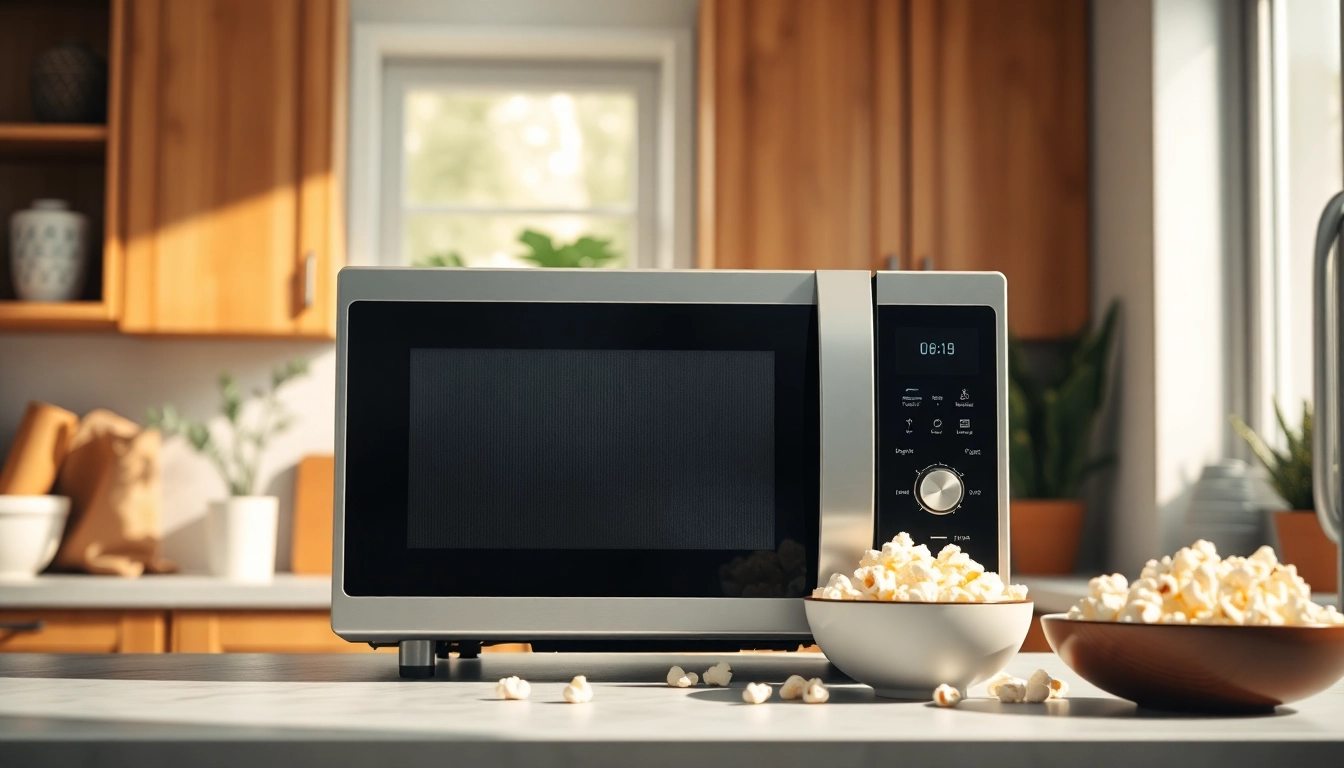
Understanding the Microwave Oven: Basics and Benefits
What is a Microwave Oven?
A Microwave Oven is a kitchen appliance that utilizes electromagnetic radiation, specifically microwaves, to heat and cook food. The principle behind microwave cooking involves the absorption of microwave energy by water molecules in food, causing them to vibrate and produce heat. This unique cooking method allows food to be cooked quickly and efficiently compared to traditional methods such as stovetop cooking or baking.
Key Benefits of Using a Microwave Oven
Microwave ovens offer numerous advantages, making them an essential part of modern kitchens:
- Speed: Microwave ovens can significantly reduce cooking time, allowing users to prepare meals in minutes rather than hours.
- Energy Efficiency: They consume less energy compared to conventional ovens since they heat food directly and require less time.
- Versatility: They can be used for various cooking methods, including reheating, defrosting, and cooking raw ingredients.
- Nutritional Retention: Microwave cooking often preserves vitamins and nutrients better than other cooking methods that involve prolonged heat exposure.
- Convenience: With preset cooking settings and easy-to-use interfaces, they cater to cooks of all skill levels.
Types of Microwave Ovens Available
Understanding the different types of microwave ovens can help you select the best appliance for your kitchen needs:
- Countertop Microwave Ovens: These are the most common types, suitable for general home use. They are compact and can be placed on kitchen countertops.
- Built-In Microwave Ovens: Designed to fit into kitchen cabinetry, these units provide a sleek appearance and often come with additional features.
- Over-the-Range Microwave Ovens: These models combine a microwave and a range hood, saving counter space while providing ventilation.
- Microwave Convection Ovens: These appliances combine microwave cooking with convection heating, allowing for browning and crisping like a traditional oven.
- Commercial Microwave Ovens: Designed for high-volume cooking and intended for restaurants or food services, they are typically more powerful and durable.
How to Utilize Your Microwave Oven Effectively
Basic Functions and Features of a Microwave Oven
To harness the full potential of your microwave oven, it’s essential to understand its various functions:
- Defrost: This function allows users to thaw frozen food quickly, making meal prep more efficient.
- Reheat: Ideal for warming leftovers, this setting provides a quick way to enjoy previously cooked meals.
- Cook: Pre-programmed settings adjust time and power levels suitable for specific food types, ensuring optimal heating.
- Popcorn: A dedicated button for popcorn allows users to make perfectly popped corn without guesswork.
Best Cooking Techniques for Microwave Ovens
Mastering microwave cooking techniques can enhance your culinary experience:
- Even Spacing: Place food evenly on the turntable to ensure uniform heating.
- Cover Food: Using a microwave-safe lid or wrap helps prevent splatter and retains moisture during cooking.
- Stir and Rotate: Stirring or rotating food midway through cooking promotes even heating and prevents cold spots.
- Utilize Microwave-Safe Containers: Always choose containers labeled as microwave-safe to prevent harmful chemicals from leaching into food.
Common Mistakes to Avoid
To get the best results from your microwave oven, avoid these common pitfalls:
- Overcooking: Pay close attention to cooking times to avoid dry or burnt food.
- Neglecting Power Levels: Adjust power settings based on the type of food being cooked for better results.
- Using Non-Microwave-Safe Materials: Avoid metal or plastic containers not designed for microwave use to prevent hazards.
- Ignoring Cleaning: Regularly clean your microwave to maintain performance and avoid stale odors.
Recipes Perfect for the Microwave Oven
Quick and Easy Snacks
Microwave ovens can create a variety of delightful snacks in minutes. Here are a few quick recipes:
- Microwave nachos: Layer tortilla chips, cheese, and your favorite toppings, then microwave until cheese melts.
- Popcorn: Add popcorn kernels in a microwave-safe bowl, cover with a lid, and microwave until popping slows.
- Microwave mug pizza: Mix flour, baking powder, water, and toppings in a mug, microwave for a quick pizza fix.
Simple Meals You Can Prepare
Cook complete meals effortlessly with these microwave recipes:
- Microwave mac and cheese: Combine pasta, water, and cheese in a bowl and microwave until creamy.
- Steamed vegetables: Place vegetables in a microwave-safe dish with a little water, cover, and steam in minutes.
- Microwave omelet: Beaten eggs, diced vegetables, and cheese cooked in a cup for a quick meal.
Microwave Oven Desserts to Impress
Sweet treats are also within reach with microwave technology:
- Chocolate mug cake: Combine ingredients in a mug and microwave for an instant chocolatey dessert.
- Microwave brownies: Mix brownie ingredients in a bowl and cook for a gooey, fudgy treat.
- Cinnamon sugar apples: Slice apples, sprinkle with cinnamon and sugar, then microwave for a warm dessert.
Maintenance and Care for Your Microwave Oven
Cleaning Tips for Longevity
Maintaining your microwave oven can prolong its life and efficiency:
- Daily Wipe Down: After use, wipe the interior with a damp cloth to avoid buildup and odors.
- Deep Cleaning: Use a vinegar and water solution to steam clean and eliminate tough stains.
- Check and Clean Filters: Regularly check the filter in over-the-range models and clean or replace as needed.
Common Issues and Troubleshooting
If your microwave encounters problems, consider these troubleshooting tips:
- No Power: Check that the microwave is properly plugged in, and confirm the circuit breaker isn’t tripped.
- No Heating: Ensure the microwave is set correctly on the cooking mode and check for faulty magnetrons.
- Strange Noises: Sounds like rattling might be caused by loose parts or failing components and should be evaluated.
When to Replace Your Microwave Oven
Knowing when to replace your microwave can save you time and frustration:
- Age: If your microwave is over 10 years old, it might be time for an upgrade to a more efficient model.
- Frequent Breakdowns: Continuous issues can indicate it's more cost-effective to replace rather than repair.
- Poor Performance: If your microwave is consistently underperforming or not heating properly, consider a new appliance.
Innovative Uses for Microwave Ovens
Creative Cooking Hacks
Get creative with these unconventional microwave hacks:
- Hard-boiled Eggs: Place eggs in a bowl of water and microwave for a quick way to hard-boil.
- Chocolate Melting: Gently melt chocolate in short intervals, stirring to achieve a smooth consistency.
- Baking Potatoes: Microwave potatoes for a quick start on baked potatoes before finishing them in the oven.
Beyond Cooking: Unconventional Uses
Your microwave can also be utilized beyond food preparation:
- Disinfecting Sponges: Microwaving wet sponges for a minute can kill bacteria, making them clean and safe.
- Cleaning Kitchen Tools: Sterilize cutting boards and cookbooks by microwaving for a few minutes to eliminate germs.
- Removing Stickers: Heat a sticker for a few seconds to loosen the adhesive, making it easier to peel off.
Revolutionizing Meal Prep with Your Microwave Oven
Meal prepping has never been easier with the right microwave techniques:
- Batch Cooking: Prepare large quantities of grains or proteins and store them in microwave-safe containers.
- Pre-Assembly Meals: Assemble meals in advance, refrigerate them, and use the microwave for quick reheating.
- Portion Control: Choose specific portion sizes before freezing or refrigerating for easy meal management.
FAQs:
1. Can all foods be cooked in a Microwave Oven?
No, certain foods like eggs in shells and whole fruits can explode in the microwave due to steam buildup.
2. What makes a Microwave Oven a healthy cooking option?
Microwave cooking often preserves vitamins better than boiling or frying, providing a healthier alternative.
3. How do I clean my Microwave Oven?
Use a mix of vinegar and water in a bowl, microwave it for a few minutes, then wipe down with a cloth.
4. Can I use metal in my Microwave Oven?
Generally, no. Metal can cause sparks and fire hazards. Always check your microwave's user manual for safe materials.
5. How long can I typically cook items in the Microwave Oven?
Cooking times vary; typically, 30 seconds to 5 minutes for most items, depending on power settings and food type.