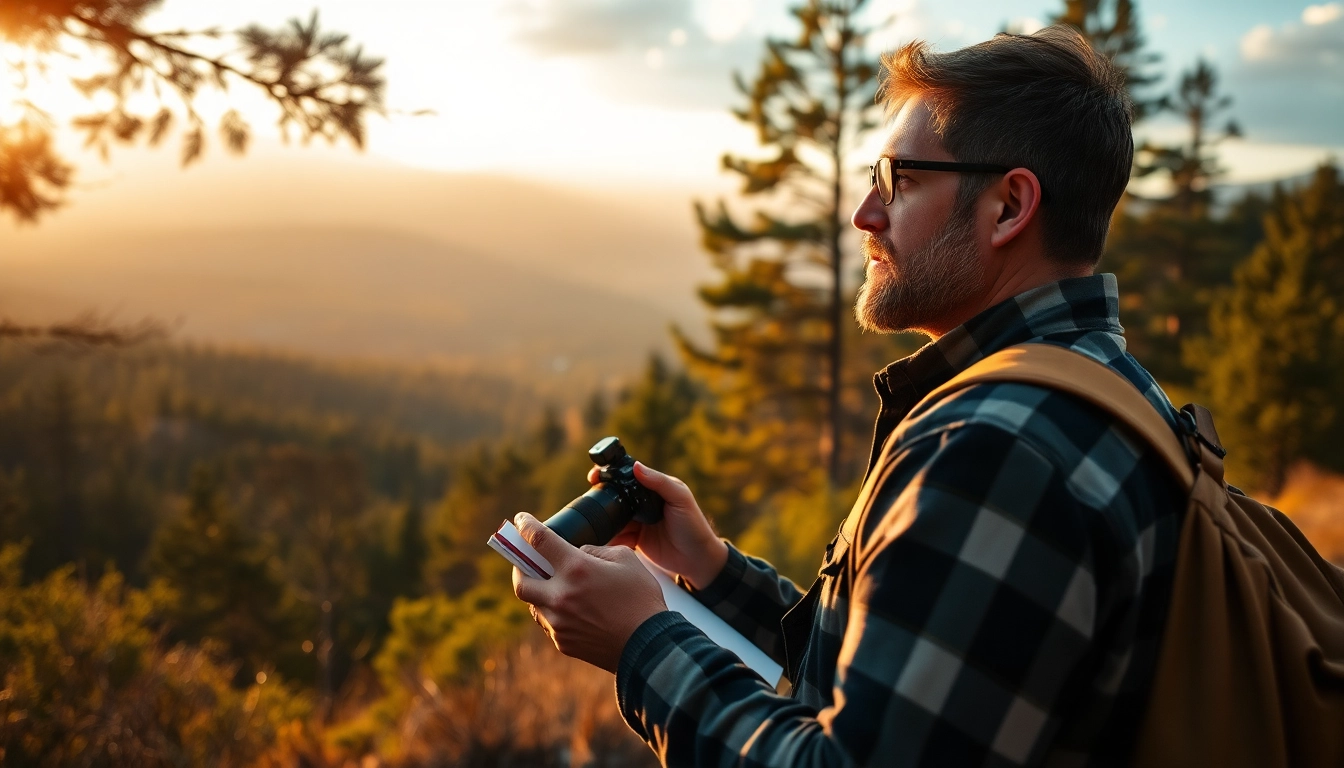
Understanding the Role of Location Scouting
Definition and Importance of Location Scouting
Location scouting is a fundamental aspect of pre-production in filmmaking and commercial photography. It entails the systematic process of identifying, assessing, and securing locations that will best portray the narrative and vision of a script. The importance of this phase cannot be overstated; it sets the tone for the entire production, influences budget allocation, and shapes audience perception. A well-chosen location can enhance storytelling, evoke specific emotions, and create unique visual dynamics, making it a vital tool for filmmakers and photographers alike.
When engaging in location scouting, understanding the script and assessing locations accordingly is essential. The location needs to resonate with the thematic elements of the project while simultaneously catering to the logistical needs of the crew.
Key Responsibilities of a Location Scout
A location scout is primarily responsible for finding and securing the ideal spots for filming or photographing specific scenes. This task includes conducting thorough research, visiting potential sites, capturing visual documentation, and negotiating location agreements with owners. Additionally, location scouts must consider various factors, such as lighting conditions, accessibility, availability of resources, and the potential impact of the environment on production.
Moreover, they play a crucial role in ensuring that the selected locations meet the necessary legal and safety standards. In essence, a location scout acts as a bridge between creative vision and practical execution, ensuring that all elements are in place for a successful shoot.
How Location Scouting Influences Production Quality
The choice of location directly affects the visual narrative and overall production quality. An inspiring, well-suited locale can enhance the filmmaker's storytelling, allowing for unique angles and compositions. For instance, natural landscapes can provide a backdrop that enhances the emotional resonance of a scene. Conversely, choosing a poorly suited location may detract from the visual coherence and audience engagement. The correct location can also invite natural lighting effects, which do wonders for the mood and aesthetic of the project.
Ultimately, effective location scouting can minimize production issues, reduce costs by avoiding unforeseen challenges, and enhance the expressive quality of the final product.
Essential Skills for Effective Location Scouting
Research Techniques for Finding Locations
Location scouting begins with thorough research, which includes using online databases, social media platforms, and local resources to identify potential locations. Tools like Google Maps can help find various sites, while social media offers insights into popular filming spots through the use of hashtags and location tags.
It's also important to connect with local filming communities and networks to gain recommendations for interesting locations. Engaging with regional location services can reveal hidden gems that may not be widely known but are perfect for unique storytelling. Additionally, attending industry events can further expand your knowledge and access to potential sites.
Photography Skills for Assessing Locations
Effective location scouts must possess strong photography skills to capture the essence of a location adequately. This involves understanding how lighting, composition, and framing interact to influence the visual narrative. Having the ability to take high-quality photos can provide valuable insights into how a location might suit a particular scene or concept.
Learning to consider various times of day for shooting will enhance the assessment process, as lighting conditions can change significantly. Additionally, being able to visualize potential setups within a location will support the creative vision when collaborating with directors and cinematographers.
Communication Skills for Negotiating Permissions
A crucial aspect of location scouting involves effective communication. Scouts must liaise with property owners, local authorities, and community representatives to secure filming permissions and negotiate terms. Having strong negotiation skills can greatly influence the success of these discussions, ensuring that the production can proceed without legal impediments or unexpected costs.
Furthermore, maintaining a positive rapport with individuals involved in the location process fosters goodwill and can lead to smoother operations throughout the production. Clear communication about needs, expectations, and concerns is vital for establishing trust and achieving successful outcomes.
Conducting an Efficient Location Scout
Planning Your Scout Visit: What to Consider
Before embarking on a location scouting trip, careful planning is essential. This includes developing a clear understanding of the project’s requirements, such as the scene’s mood, themes, and character needs. A well-defined scouting itinerary facilitates a more efficient visit.
Considerations should include travel logistics, support staff, equipment needed for documentation, and the ideal times for scouting to capture the best lighting. Planning ahead allows scouts to maximize their time and ensure that all necessary aspects are adequately covered during each visit.
Checklist for Evaluating Locations
When assessing a potential site, utilize a thorough checklist that prompts a comprehensive evaluation of the location. Important factors to note include:
- Availability of Resources: Are water, electricity, and internet connections available?
- Accessibility: How easy is it to transport crew and equipment to the site?
- Safety: Are there any hazards present that could pose risks during shooting?
- Aesthetic Qualities: Does the landscape evoke the desired mood and tone?
- Environmental Factors: Are there any potential disruptions like noise or weather conditions that could affect filming?
- Local Restrictions: Are there permits or regulations that must be obtained?
This evaluation allows scouts to make informed decisions about the viability of each location while aligning them with the specific production needs.
Tips for Documenting Findings Effectively
Accurate documentation of findings is paramount in the scouting process. Taking detailed notes, capturing an array of photos from different angles, and noting light conditions are all critical. Creating a digital portfolio that includes all essential information about each location can serve as a valuable reference when presenting options to directors and producers.
Use tools such as location scouting apps to keep notes organized and accessible. Additionally, consider using video to give a more dynamic portrayal of the site, which can be particularly helpful for collaborators who cannot join on-site visits.
Common Challenges in Location Scouting
Dealing with Weather and Environmental Factors
Weather and environmental unpredictability pose significant challenges during location scouting, especially in outdoor settings. Rain, snow, or other unforeseen weather conditions can drastically alter the visual appeal of a location and impact safety. Scouts should always have alternative locations in mind, allowing for flexibility should conditions change unexpectedly.
Monitoring local weather forecasts prior to scouting visits can also inform decisions regarding optimal times for shoots and help anticipate potential disruptions.
Securing Permissions and Legalities
Obtaining permissions presents its own woven tapestry of challenges. Location ownership may be contested, or local regulations may impose specific restrictions that complicate the process. To navigate these challenges, scouts must familiarize themselves with local laws and engage in proactive communication with property owners or local authorities.
Understanding the necessary legal paperwork and processes can save time and resources in the long run. Engaging a location manager may also streamline these efforts, ensuring all legalities are handled efficiently.
Working with Limited Budgets and Resources
Budget constraints frequently restrict the scope of available locations. Creative thinking is essential to overcoming these limitations. For example, utilizing public spaces or less popular venues can yield stunning results without breaking the bank. Additionally, focusing on locations that allow for multiple scenes to be shot can maximize the value derived from the expenses involved.
By plotting out a comprehensive shooting schedule that minimizes travel time, production teams can further reduce costs. Networking and building relationships can also open doors to more favorable deals or concessions.
Innovative Tools and Technologies for Location Scouting
Utilizing Drones for Aerial Perspectives
Drones have revolutionized location scouting, offering unique aerial perspectives that ground-level photography cannot capture. This technology allows scouts to assess larger areas quickly, providing valuable insights into terrain, layout, and spatial dynamics. Aerial views can showcase how a site interacts with its surroundings, benefiting both aesthetic considerations and logistical planning.
Moreover, drone footage can be an effective tool for pitching a location to producers and directors, presenting them with a vivid sense of context and scale.
Software Solutions for Location Management
Location management software can significantly enhance the efficiency and organization of the scouting process. Such solutions allow scouts to catalog location information, track permissions, and organize schedules seamlessly. This level of organization ultimately aids in streamlining communication between crew members, ensuring everyone has access to vital information during production.
Ultimately, leveraging technology in this way can transform the location scouting process, allowing for quick adjustments and more informed decision-making throughout the production.
Virtual Reality Tours for Initial Assessments
Virtual reality (VR) technology offers an innovative method for conducting initial assessments of potential filming locations. By exploring locations through immersive VR experiences, scouts can gather significant insights before even stepping foot on-site. This technology helps visualize how various elements, such as lighting and spacing, will impact the final product.
As this technology continues to evolve, integrating VR into the scouting process may become increasingly common, making it a valuable tool for maximizing the efficiency and effectiveness of location scouting efforts.