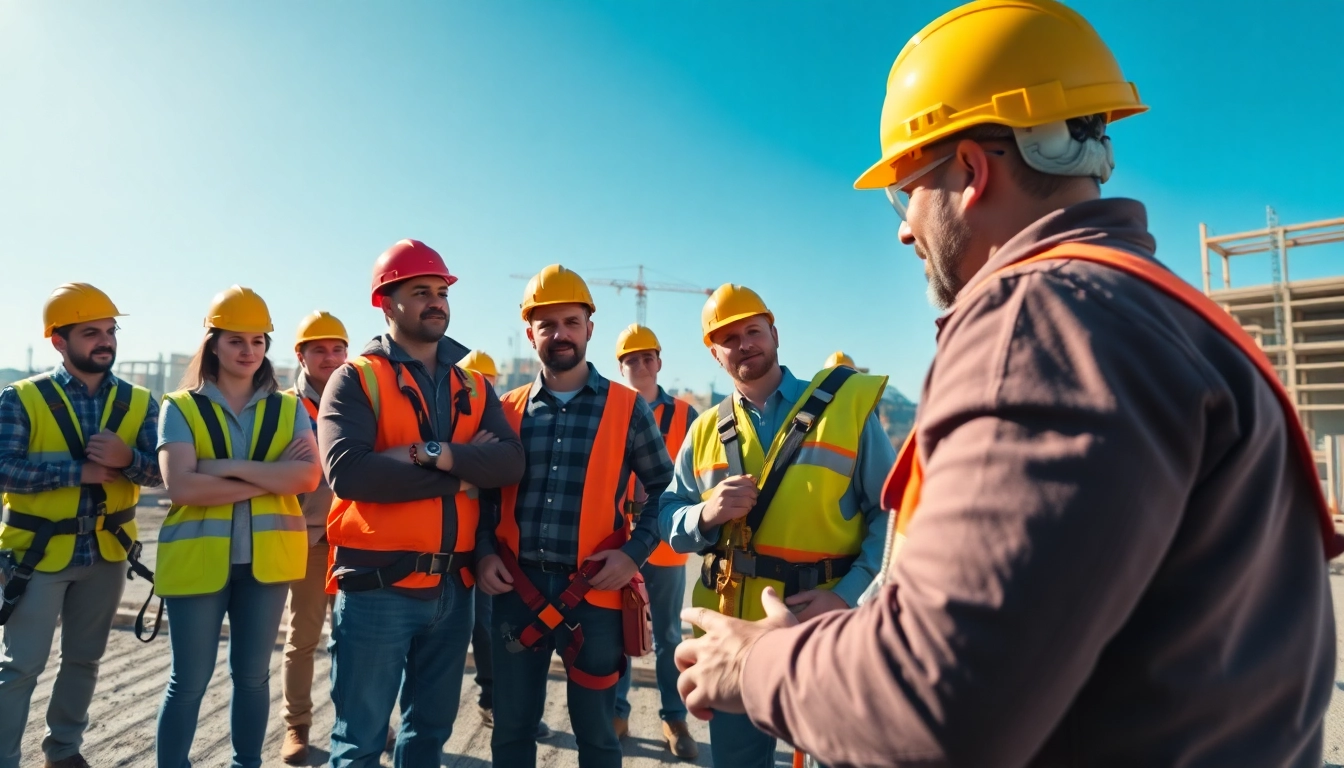
Introduction to Construction Safety Training
In the field of construction, safety cannot be overlooked. It stands as a fundamental aspect that not only protects the health and well-being of workers but also plays a crucial role in maintaining productivity and meeting project deadlines. By emphasizing construction safety training, organizations can significantly reduce accidents and injuries on site, fostering a culture of safety that permeates through all levels of operation.
Understanding the Importance of Safety Training
Safety training is essential in construction as it equips employees with the necessary knowledge and skills to recognize and mitigate hazards effectively. In environments known for their risks, such as construction sites, proper training can mean the difference between a safe and a dangerous work atmosphere. Training not only aids in compliance with safety regulations but also enhances worker confidence, productivity, and job satisfaction. Moreover, an investment in safety training can lead to considerable cost savings due to fewer incidents and a reduced likelihood of lawsuits or compensation claims.
The Role of Regulations in Construction Safety
Compliance with safety regulations is a staple in the construction industry. Regulatory bodies, such as the Occupational Safety and Health Administration (OSHA), set forth stringent rules that require construction companies to provide comprehensive safety training. Adhering to these regulations is not merely a box to check; they are critical in establishing a safe working environment. Regular audits and updates to safety training ensure that workers are always informed about the latest safety practices, reducing risks associated with old or outdated procedures.
Overview of Common Training Methods
In terms of delivery, construction safety training can take various forms, such as in-person workshops, hands-on demonstrations, and e-learning platforms. Each method has its merits. In-person training can enhance engagement and allow for immediate feedback, while e-learning offers flexibility and accessibility. Blended learning approaches that combine classroom instruction with practical training sessions often yield the best results, as they cater to different learning styles and reinforce knowledge retention.
Identifying Hazards in Construction Environments
Understanding the types of hazards present on construction sites is paramount for ensuring worker safety. Hazards can arise from equipment, environmental factors, or unsafe practices. An effective safety training program must include thorough education on these hazards and their potential impacts.
Types of Hazards Workers Face
Common hazards in construction include falls, falling objects, electrocution, and being caught in or between equipment. For example, falls from heights remain the leading cause of fatalities in the industry. It is crucial for workers to understand not only the types of hazards but also the corresponding safety measures that can be implemented to prevent accidents.
Assessing Worksite Risks Effectively
To assess risk effectively, companies should conduct thorough worksite inspections and hazard assessments. This process involves identifying potential hazards, evaluating the risk associated with them, and determining appropriate control measures. Techniques such as Job Hazard Analysis (JHA) can help pinpoint risks specific to tasks, enabling targeted training that addresses the unique challenges of different construction sites.
Implementing Safety Protocols
Once hazards are identified, it is essential to implement effective safety protocols. This can include the use of personal protective equipment (PPE), installation of safety barriers, and regular safety meetings. Encouraging a safety-first mindset among employees is crucial, as peer accountability can bolster adherence to safety protocols and create a culture where safety is prioritized.
Creating Effective Training Programs
Designing a comprehensive safety training program requires a structured approach that considers the unique needs of the organization and its employees. An effective program is one that is adaptable, continually evolving, and responsive to worker feedback.
Structuring Your Safety Training Program
The structure of a safety training program should include a clear outline of objectives, content materials, delivery methods, and assessment strategies. Beginning with orientation sessions that introduce safety policies and procedures, followed by specialized training tailored to specific roles, can provide a solid foundation for safety education.
Engaging Employees in the Learning Process
Engagement is key to effective training. Interactive training sessions that incorporate hands-on activities, such as simulations and role-playing, can capture workers’ attention and enhance learning retention. Encouraging questions and discussions fosters a participatory environment where employees feel valued and empowered to contribute to their safety.
Utilizing Technology in Training
Technology can play a transformative role in safety training. Virtual reality (VR) simulations, for example, offer immersive experiences that can replicate high-risk scenarios in a safe environment. Additionally, mobile apps can provide real-time safety updates and reminders, ensuring that safety remains at the forefront of workers’ minds throughout the day.
Measuring the Effectiveness of Training
To ensure continuous improvement in safety training programs, measuring their effectiveness is crucial. It allows organizations to assess what works and identify areas for enhancement.
Key Performance Indicators for Safety Training
Performance indicators such as the reduction in incident rates, employee feedback scores, and completion rates of training modules should be monitored regularly. Analyzing these metrics helps in making informed decisions about necessary adjustments to the training program.
Feedback Mechanisms for Continuous Improvement
Establishing a feedback loop is vital for the continuous enhancement of safety training. Regularly soliciting feedback from participants through surveys or informal discussions can uncover valuable insights regarding the strengths and weaknesses of the training. It is equally important to act on this feedback by refining training materials and methods accordingly.
Case Studies: Success Stories
Examining case studies of organizations that implemented successful safety training programs can provide inspiration and actionable strategies. For instance, a company that saw a 50% reduction in workplace injuries after introducing a comprehensive training regimen serves as a compelling example of how effective training fosters a safer work environment.
Staying Updated with Safety Practices
The construction industry is ever-evolving, with new technologies and methods emerging continually. Keeping abreast of these changes is essential for maintaining a robust safety culture.
Importance of Ongoing Training and Refresher Courses
Ongoing training and refresher courses are necessary to keep employees informed about the latest safety regulations and practices. Regularly scheduled training not only reinforces knowledge but also instills a sense of safety consciousness among workers, ensuring that safety becomes ingrained in the company culture.
Incorporating Feedback into Future Sessions
Incorporating feedback from previous training sessions can significantly enhance the learning experience. Analyzing what areas participants found challenging allows trainers to address these in future sessions, tailoring the content to meet the evolving needs of the workforce.
Trends and Innovations in Construction Safety
Staying informed about trends in construction safety, such as the implementation of wearable technologies that monitor worker vitals or the use of drones for site surveys, can inspire innovative training approaches. By integrating these trends into training programs, organizations can ensure they remain at the forefront of safety standards.
Frequently Asked Questions
1. What is construction safety training?
Construction safety training includes educational programs that teach workers methods and best practices to minimize workplace hazards and ensure safety on construction sites.
2. Why is ongoing safety training important?
Ongoing safety training helps keep employees updated on new regulations, reinforces safety practices, and fosters a culture of compliance and accountability within the organization.
3. How can technology be used in safety training?
Technology such as virtual reality, mobile applications, and online training modules can enhance engagement, provide real-time updates, and simulate hazardous situations safely.
4. What are some common hazards in construction?
Common hazards include falls, electrical hazards, being struck by falling objects, and being caught-in or between machinery. Recognizing these is crucial for effective training.
5. What are key performance indicators for training effectiveness?
Key performance indicators can include incident reduction rates, employee feedback metrics, training completion rates, and overall enhancement in workplace safety culture.