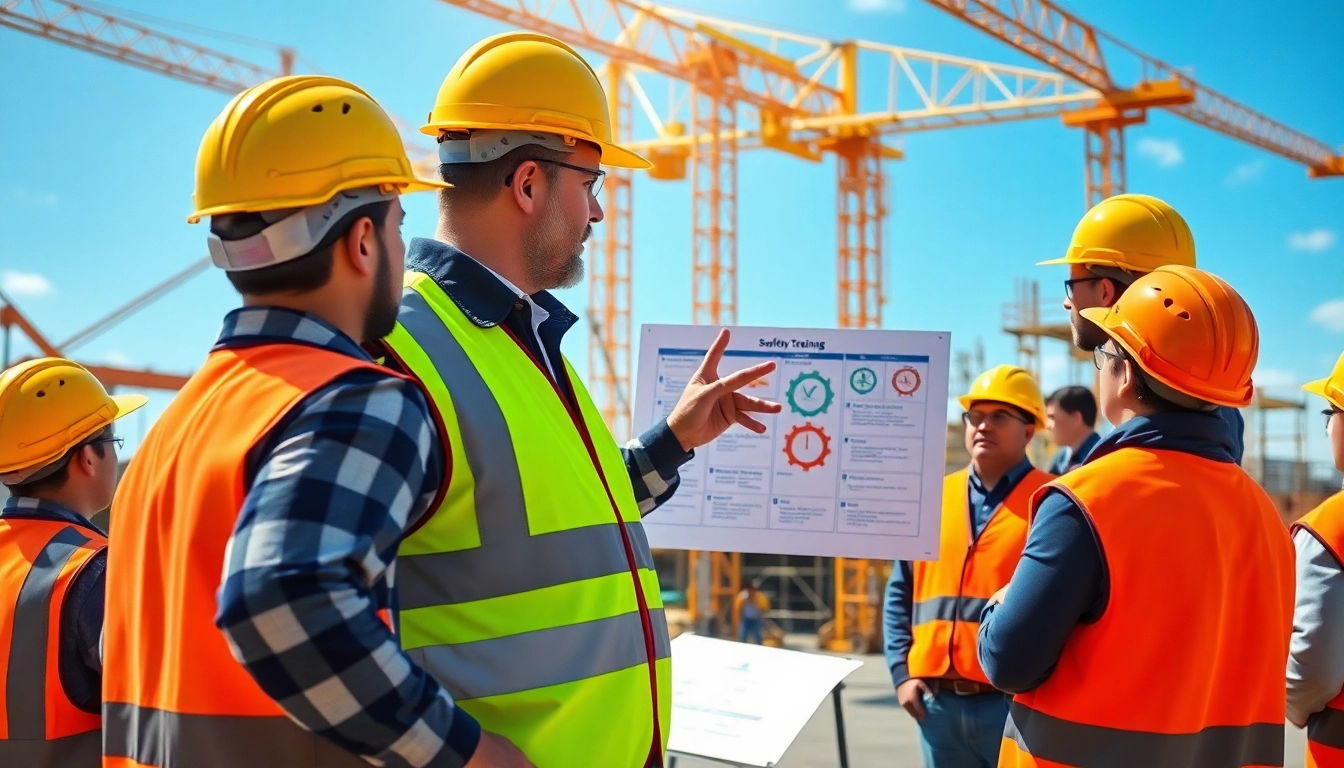
Understanding Construction Safety Training
In the construction industry, where the stakes are high, ensuring the safety of workers should be paramount. Construction safety training serves as a critical foundation for preventing workplace accidents and ensuring compliance with regulatory standards. This multifaceted process encompasses a variety of strategies tailored to educating workers about the risks associated with their jobs as well as the best practices for mitigating those risks. By embedding safety into the culture of construction sites, stakeholders can save lives, reduce costs associated with injuries, and maximize productivity.
The Importance of Safety Training in Construction
Construction sites are inherently dangerous environments, with diverse hazards ranging from falls, electrical shocks, and machinery accidents to exposure to harmful substances. The significance of safety training cannot be overstated; it not only equips workers with the skills necessary to identify and mitigate hazards but also empowers them to be proactive participants in their safety and that of their coworkers.
Moreover, the importance of safety training extends beyond the immediate well-being of employees. Organizations with robust safety training programs see decreased accident rates, resulting in lower insurance costs and enhanced company reputation. A culture centered on safety can also lead to improved employee morale and retention, as workers feel valued and protected.
Key Regulations and Standards
Understanding the regulatory landscape surrounding construction safety is essential for any organization operating in this space. In the United States, the Occupational Safety and Health Administration (OSHA) outlines numerous standards that companies must meet, encompassing everything from fall protection to proper handling of hazardous materials.
Additionally, industry-specific standards, such as those from the National Fire Protection Association (NFPA) or the American National Standards Institute (ANSI), add further depth to safety regulations. Being well-versed in these guidelines ensures that training sessions not only cover essential safety practices but also comply with legal requirements. Regular updates and audits of training programs should incorporate any changes in these regulations to maintain compliance.
Common Hazards and Safety Measures
Construction workers encounter a variety of hazards, and understanding these is part of effective safety training. Common hazards include:
- Falls: One of the most prevalent causes of injuries on construction sites. Safety measures include using guardrails, personal fall arrest systems, and ensuring that scaffolding is sturdy and compliant.
- Electrical hazards: Risks associated with live wires and improper use of electrical tools. Comprehensive training on lockout/tagout procedures can mitigate these dangers.
- Heavy machinery accidents: Workers must be trained in the safe operation of heavy equipment and in recognizing the dangers of moving machinery.
- Exposure to harmful substances: This can include everything from asbestos to chemical spills. Ensuring proper personal protective equipment (PPE) is used is vital.
Part of the training should also involve scenario-based learning, where workers can engage with realistic simulations of potential hazards, allowing them to practice responses in a controlled setting.
Designing an Effective Training Program
Creating an effective construction safety training program requires a thorough understanding of the workforce, the specific work environment, and the types of hazards present. A well-structured program can help close knowledge gaps and foster a safety-focused culture among employees.
Assessing Training Needs and Gaps
Before designing a training program, conducting a thorough assessment of training needs is indispensable. This involves examining past incident reports to identify the most common types of accidents and determining the skill levels of employees. Surveys and interviews with employees can also uncover specific concerns and gaps in knowledge. By understanding these elements, organizations can tailor their training to effectively address the unique challenges their workforce faces.
Creating Engaging Training Materials
The effectiveness of training can greatly depend on how information is presented. Engaging training materials that incorporate visual aids, interactive elements, and real-life examples will resonate more with learners. PowerPoint presentations and printed manuals provide foundational knowledge, but implementing videos, infographics, and even gamified elements can increase retention rates. Utilizing adult learning principles, such as focusing on practical applications and leveraging previous experiences, can make training sessions more impactful.
Incorporating Hands-On Learning Experiences
While theoretical knowledge is essential, hands-on experience is crucial in construction safety training. Simulating emergency responses, performing safety equipment checks, and participating in mock drills help reinforce learning outcomes. By engaging workers actively, they will be better prepared to apply their training in real-life situations. Tailoring specific exercises to the actual equipment and conditions workers will encounter further enhances their readiness.
Delivery Methods for Safety Training
The methods of delivering safety training can significantly impact its effectiveness. With the modernization of training techniques, it's essential to analyze the options available, both traditional and innovative.
In-Person vs. Online Training Options
In-person training has long been the standard in the construction industry, allowing for direct interaction and immediate feedback. However, the rise of online training platforms provides flexibility that can accommodate diverse learning styles and schedules. Blended learning approaches, combining both in-person and online elements, can also be highly effective, allowing workers to review materials at their own pace while benefiting from hands-on practice in a controlled environment.
Utilizing Technology in Training Delivery
Technological advancements are revolutionizing the way training is delivered. Virtual reality (VR) and augmented reality (AR) options offer immersive experiences that can mimic real-life scenarios without the associated risks. Skill assessments via mobile applications can also ensure that workers are continuously engaging with safety training in innovative ways. Video conferencing tools can enable remote participation for workers in different geographic locations, expanding access to critical safety training.
Effective Communication Techniques
To ensure the safety messages are effectively communicated, trainers must employ clear, concise language and adapt their styles to their audience. Active participation should be encouraged through discussions and Q&A sessions, making the training more interactive. Additionally, employing multiple communication techniques, such as storytelling and real-life anecdotes, enhances comprehension and retention among workers.
Evaluating Training Program Effectiveness
To understand the efficacy of a safety training program, a robust evaluation mechanism must be in place. This involves assessing both the immediate outcomes of the training and its long-term impact on workplace safety culture.
Measuring Knowledge Retention and Application
Employing assessments before and after training can help gauge how much knowledge participants have retained. This may include quizzes, practical demonstrations, or scenario-based evaluations to see how they apply what they have learned. Moreover, inviting independent evaluators to observe the training can provide unbiased feedback on program effectiveness.
Assessing Incident Rates Post-Training
One of the most critical indicators of training effectiveness is the monitoring of incident rates following training sessions. By analyzing workplace injury statistics before and after training implementation, organizations can determine whether their efforts have positively impacted safety. It’s essential to establish benchmarks and track long-term trends over time for a comprehensive view.
Gathering Feedback for Continuous Improvement
Continuous improvement is vital in any training program. Gathering feedback from participants through surveys or focus groups can help identify areas for enhancement. This iterative approach allows organizations to adapt to changing circumstances and ensure that training remains relevant and effective.
Staying Updated with Safety Regulations
The landscape of safety regulations is ever-evolving. To maintain compliance and ensure worker safety, it is essential for organizations to stay informed about the latest guidelines and amendments.
Understanding Ongoing Training Requirements
Many regulatory bodies require ongoing training to ensure that workers remain knowledgeable about current safety practices. Employers should establish a training schedule that adheres to these requirements, encompassing both initial training and refresher courses. This ensures that all workers stay competent and aware of new risks or protocols that may arise.
Resources for Safety Regulation Updates
Companies should utilize several resources to stay informed about changes in safety regulations. Joining professional organizations related to construction safety can provide insights and resources for best practices. Additionally, subscribing to updates from OSHA and other regulatory agencies keeps employers informed of any changes that could impact their training programs.
Networking with Industry Professionals
Networking with other professionals in the construction field can also foster knowledge exchange regarding safety practices. Attending industry conferences, workshops, and webinars presents opportunities to learn from experts and share experiences related to safety training. Building relationships with peers and learning from their challenges and successes can provide invaluable insights into creating effective training programs.