Understanding the Role of a Videographer
What is a Videographer?
A Videographer is a professional who specializes in capturing and producing video content. Typically, videographers operate in various industries such as filmmaking, broadcasting, corporate environments, and events, where their primary responsibility is to create compelling visual narratives through the lens of a camera. Unlike traditional filmmakers, whose focus may lie in directing and producing, videographers often manage the entire process—from capturing footage to final editing, providing a more hands-on approach to video production.
Key Responsibilities of a Videographer
The responsibilities of a videographer can vary widely depending on the specific niche they work in, but some of the most common tasks include:
- Planning and scouting locations for shoots.
- Setting up and operating cameras and sound equipment.
- Directing talent and subjects, ensuring they are comfortable on camera.
- Capturing high-quality video footage that meets the production’s aesthetic goals.
- Editing raw footage into a polished final product using software.
- Collaborating with clients to understand their vision and expectations.
Different Types of Videographers
Videographers can specialize in a range of fields, leading to various job titles and functions. Here are some examples of different types of videographers:
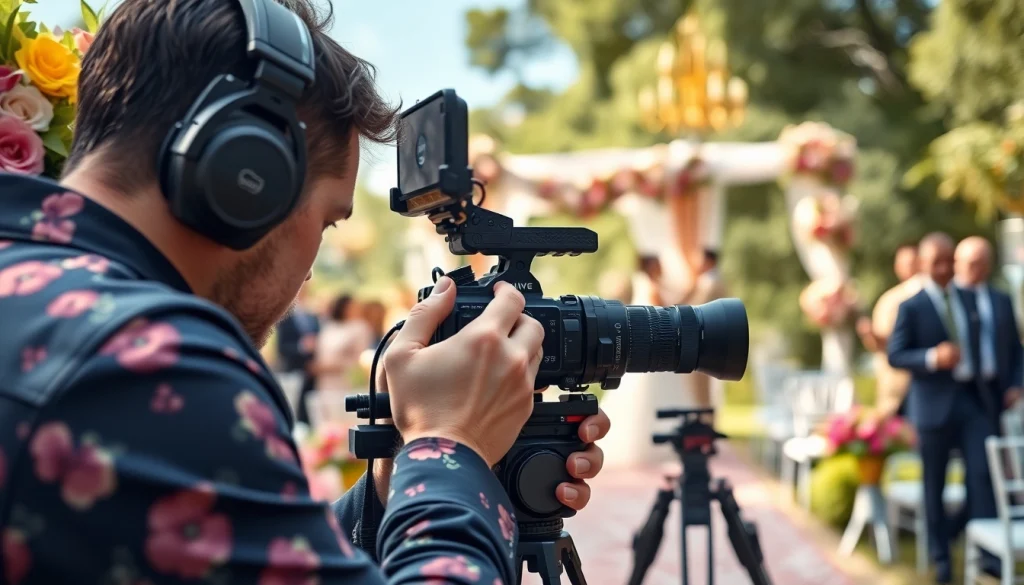
- Event Videographer: Focuses on documenting events such as weddings, corporate functions, or concerts, using a storytelling approach to capture the essence of the occasion.
- Corporate Videographer: Works with businesses to create promotional videos, training materials, and internal communications. They often have a strong grasp of corporate branding and marketing strategies.
- Documentary Videographer: Engages in filming documentary-style content that necessitates extensive research and thoughtful cinematography to convey deeper narratives.
- Creative Videographer: Engages in experimental and artistic video production, often collaborating with other creative professionals for film projects, music videos, or commercials.
Essential Skills for Success as a Videographer
Technical Skills Required
To excel as a videographer, individuals must master a variety of technical skills, including:
- Camera Operation: Familiarity with DSLRs, mirrorless cameras, and professional camcorders, including how to adjust settings for optimal performance in different lighting conditions.
- Sound Engineering: Knowledge of how to use microphones, mixers, and sound recorders is critical for capturing high-quality audio that accompanies visuals.
- Lighting Techniques: Understanding how to light different environments and subjects to enhance the visual appeal of the video.
- Editing Proficiency: Skills in editing software like Adobe Premiere Pro or Final Cut Pro are essential, as post-production is where much of the storytelling happens.
Creative Skills and Aesthetic Understanding
While technical skills are critical, creativity also plays a significant role in videography. Successful videographers should be able to:
- Develop a unique visual style that reflects their perspective and creative vision.
- Craft compelling narratives that engage viewers and evoke emotional responses.
- Understand composition and framing techniques to create visually interesting shots.
- Utilize color theory and grading techniques to enhance the mood and tone of their videos.
Interpersonal Skills for Client Engagement
Being a successful videographer is not just about technical abilities; excellent interpersonal skills are equally important. Videographers must learn to:
- Communicate effectively with clients to understand their needs and expectations.
- Manage a team if working on larger projects, ensuring everyone is on the same page.
- Build trust with subjects to create a comfortable atmosphere, especially in sensitive shoots, such as weddings or personal interviews.
- Receive and integrate feedback to improve their work continually.
Equipment Every Videographer Should Have
Camera Types: DSLRs vs. Mirrorless
The choice of camera is fundamental for any Videographer. The two main types of cameras used in videography are DSLRs and mirrorless cameras:
- DSLRs: These are versatile and often more affordable. They offer a wide range of lens options and proven image quality, making them great for various shooting scenarios.
- Mirrorless Cameras: Generally lighter and more compact, mirrorless cameras offer faster autofocus and can record higher-quality video in many cases. They are becoming increasingly popular among videography professionals.
Sound Equipment and Accessories
Good audio quality is essential for any video project, which means videographers need to invest in quality sound equipment:
- Microphones: Depending on the project, lavalier (lapel), shotgun, or shotgun microphones can significantly alter audio quality.
- Audio Recorders: External audio recorders help provide better sound capture than a camera’s built-in mic.
- Headphones: Quality headphones allow videographers to monitor audio levels and quality during the recording process.
Editing Software Recommendations
A crucial part of the videography process is the editing phase, where raw footage is transformed into a polished final product. Here are some popular editing software options:
- Adobe Premiere Pro: Known for its robust features, this is an industry-standard software frequently used for video editing.
- Final Cut Pro: Preferred by many professionals working on Apple devices, it offers a diverse set of editing tools.
- DaVinci Resolve: Excellent for color grading, this software is increasingly popular among videographers looking to enhance the visual impact of their projects.
Best Practices for Videography Projects
Planning and Pre-Production Steps
Before a shoot, thorough planning can make a significant difference in the outcome. Key steps in pre-production include:
- Creating a clear video concept and storyline.
- Developing a detailed script or outline that guides the project.
- Scouting locations and obtaining necessary permits.
- Assembling a reliable crew who shares the same vision.
- Conducting rehearsals, especially when working with talent.
Tips for Shooting High-Quality Video
When it comes to shooting, several best practices can lead to better-quality footage:
- Always check the lighting conditions and make necessary adjustments.
- Utilize tripods or stabilizers to ensure steady shots.
- Capture B-roll footage to enrich the final edit with context and visual variety.
- Regularly check audio quality to ensure clarity and avoid unwanted noise.
Post-Production Editing Techniques
After capturing footage, the editing phase is where creativity shines. Implementing effective post-production techniques can enhance storytelling:
- Establish a rhythm to your editing that complements the narrative flow.
- Utilize transitions effectively, avoiding overuse to maintain professionalism.
- Incorporate sound design—layer music and sound effects creatively to add depth.
- Ensure color grading enhances the mood while keeping continuity throughout the footage.
Trends in the Videography Industry
Emerging Technologies in Videography
The videography industry evolves rapidly, driven by technological advancements. Emerging tools and techniques include:
- 360-Degree Video: This immersive video technology allows viewers to experience a scene from multiple angles, significantly enhancing engagement.
- Virtual Reality (VR): Requiring specialized equipment and editing skills, VR content offers unique interactivity, making it popular for marketing and training.
- Drone Cinematography: Drones provide breathtaking aerial shots that add a whole new dimension to videography, particularly for landscape, event, or real estate videography.
Popular Styles and Techniques
As trends change, certain styles and techniques have gained popularity among videographers:
- Vlogging: Capturing personal experiences and stories through a casual video diary format is increasingly common.
- Fast-Paced Editing: Quick cuts and dynamic editing styles that engage viewers have become critical in online content.
- Documentary Style: This narrative technique relies heavily on real-life footage, focusing on authenticity and emotional resonance.
How to Stay Competitive as a Videographer
In a crowded field, distinguishing oneself is crucial for career advancement. Consider these strategies to remain competitive:
- Stay updated on industry trends and technology to enhance your skillset continuously.
- Network with other professionals and potential clients through social media and local events.
- Build a strong online portfolio showcasing your best work to attract new clients.
- Engage in collaborative projects to diversify experience and expand your artistic range.