
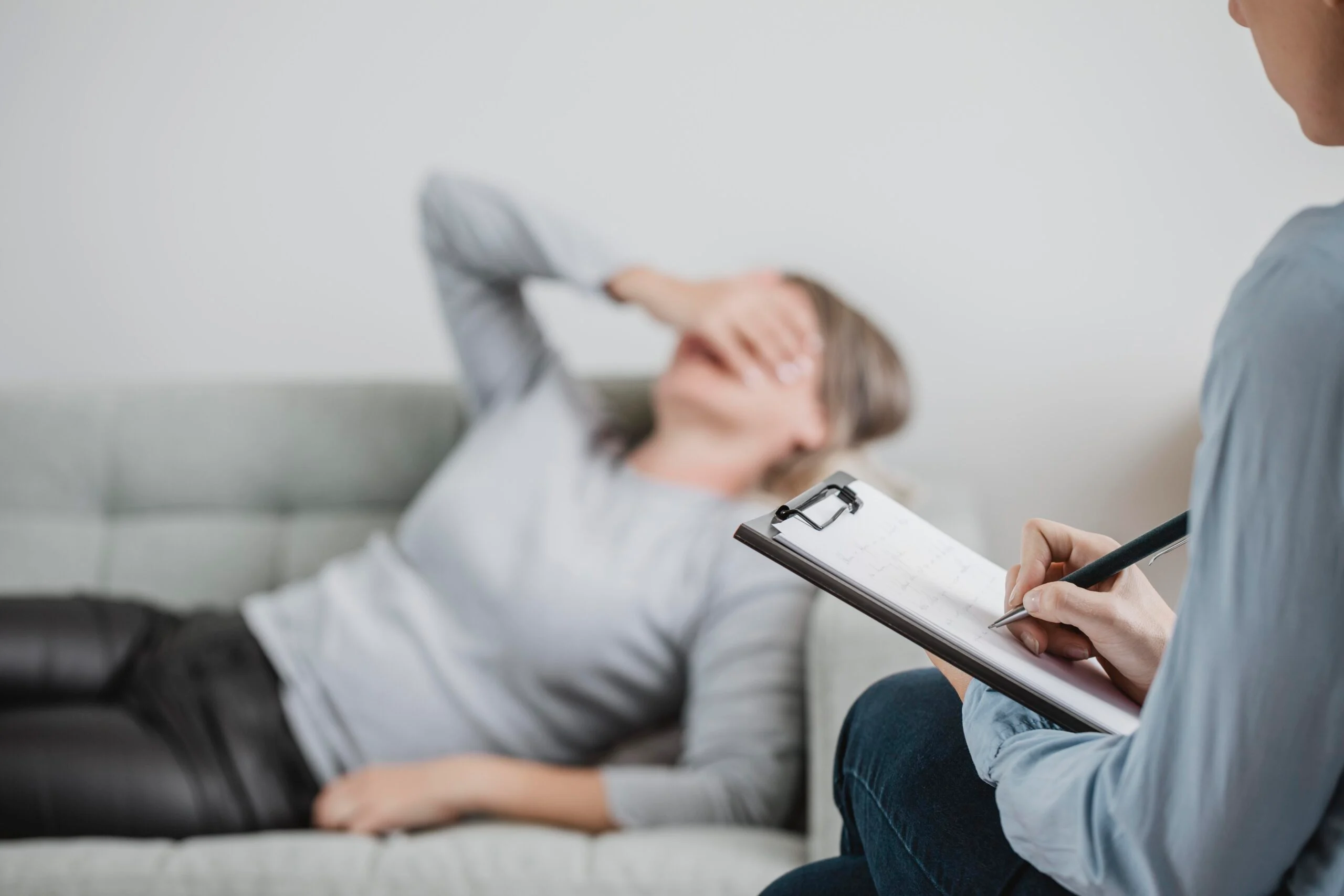
Anxiety is a natural emotional response to stress, uncertainty, or challenging situations. While feeling anxious occasionally is normal, persistent anxiety can interfere with daily life, impacting your sleep, mood, and focus. Recognizing Anxiety symptoms early can help you take practical steps toward managing it effectively. This article explores common anxiety symptoms, their effects on daily life, and strategies to regain control.
- Understanding Anxiety Symptoms
- Anxiety Symptoms That Disrupt Sleep
- Anxiety Symptoms That Affect Mood
- Anxiety Symptoms That Impact Daily Focus
- Coping Strategies for Anxiety Symptoms
- Recognizing the Signs Early
- Real-Life Tips for Daily Management
- The Importance of Self-Compassion
- Long-Term Strategies for Anxiety Management
- Conclusion
- FAQs
Understanding Anxiety Symptoms
Anxiety symptoms can manifest in both the body and the mind. They are more than just feeling “nervous” or “stressed.” Symptoms can range from subtle changes in mood to noticeable disruptions in sleep and concentration. Understanding these symptoms is the first step toward managing them effectively.
Physical Symptoms
Anxiety often triggers physical reactions in the body. Common physical symptoms include:
- Rapid heartbeat or palpitations
- Shortness of breath or tightness in the chest
- Muscle tension or stiffness
- Headaches or dizziness
- Fatigue or low energy
These symptoms can mimic other health conditions, which is why consulting a healthcare professional is important for proper evaluation.
Emotional and Psychological Symptoms
Emotional and psychological symptoms of anxiety can be equally disruptive. These may include:
- Persistent worry or fear
- Irritability or mood swings
- Feeling overwhelmed or unable to cope
- Restlessness or difficulty relaxing
- Negative thoughts and excessive self-criticism
These emotional symptoms can make it challenging to enjoy daily activities or maintain healthy relationships.
Anxiety Symptoms That Disrupt Sleep
Sleep is essential for physical and mental well-being, but anxiety often interferes with restorative rest. Common sleep-related anxiety symptoms include:
- Difficulty falling asleep or staying asleep
- Frequent waking during the night
- Nightmares or racing thoughts
- Feeling exhausted even after sufficient sleep
Sleep disruption caused by anxiety can create a vicious cycle. Lack of sleep increases stress and worsens anxiety, which in turn further impacts sleep quality.
Case Study: Sarah’s Sleep Struggles
Sarah, a 16-year-old student, began experiencing trouble sleeping before exams. Her mind raced with worries about performance and future plans. Despite being physically tired, she struggled to fall asleep, often lying awake for hours. Over time, her sleep problems affected her mood and ability to focus in class, illustrating how anxiety symptoms directly interfere with daily life.
Anxiety Symptoms That Affect Mood
Anxiety does not only affect the body; it also influences emotional health. Common mood-related symptoms include:
- Persistent sadness or low mood
- Irritability or frustration over minor issues
- Feeling tense or on edge
- Loss of interest in previously enjoyable activities
These symptoms can resemble depression, making it important to understand the differences. Anxiety often involves heightened tension and worry, whereas depression usually includes prolonged feelings of hopelessness and low energy.
Real-Life Example: Teen Mood Changes
Consider Alex, a 17-year-old who felt increasingly irritable and withdrawn after moving to a new school. His anxiety about fitting in and meeting expectations led to mood swings and social withdrawal. Awareness of these symptoms allowed Alex to seek support through counseling and mindfulness techniques, improving both mood and confidence.

Anxiety Symptoms That Impact Daily Focus
Concentration and focus are often the first skills affected by anxiety. When the mind is preoccupied with worry, everyday tasks become more challenging. Symptoms include:
- Difficulty concentrating on schoolwork or tasks
- Forgetfulness or memory lapses
- Racing thoughts that interrupt attention
- Procrastination or avoidance behaviors
These symptoms can affect academic performance, work productivity, and personal responsibilities.
Analogy: Mind Like a Computer
Imagine your brain as a computer running multiple programs simultaneously. Anxiety acts like an additional heavy program that slows processing speed. Even simple tasks require extra effort, leaving you mentally drained and less focused on the task at hand.
Coping Strategies for Anxiety Symptoms
Managing anxiety symptoms requires a combination of lifestyle changes, self-care techniques, and professional support. Here are some practical strategies:
1. Improve Sleep Hygiene
- Maintain a consistent sleep schedule
- Create a relaxing bedtime routine
- Limit screen time before bed
- Avoid caffeine and heavy meals at night
2. Mood-Boosting Practices
- Engage in physical activity or exercise
- Practice mindfulness or meditation
- Journal thoughts and feelings
- Connect with supportive friends or family
3. Enhance Focus and Concentration
- Break tasks into smaller, manageable steps
- Use time management techniques like the Pomodoro method
- Reduce multitasking to maintain attention
- Practice deep-breathing exercises to calm the mind
4. Professional Support
- Cognitive Behavioral Therapy (CBT) is highly effective for anxiety
- Medication may be considered for severe symptoms under medical supervision
- Support groups provide shared experiences and coping tips
Recognizing the Signs Early
Early recognition of anxiety symptoms allows for timely intervention. Look for patterns such as:
- Persistent worry that interferes with daily life
- Sleep disturbances lasting more than two weeks
- Difficulty controlling negative thoughts
- Frequent physical symptoms without medical explanation
By identifying these signs early, you can implement coping strategies and prevent symptoms from worsening.
Real-Life Tips for Daily Management
- Keep a daily routine to maintain structure
- Practice short mindfulness exercises during stressful moments
- Set realistic goals to reduce overwhelming pressure
- Reward yourself for small achievements to boost confidence
The Importance of Self-Compassion
Experiencing anxiety symptoms does not mean you are weak or incapable. Practicing self-compassion involves acknowledging your struggles, forgiving yourself for mistakes, and treating yourself with kindness. This approach fosters resilience and emotional balance, reducing the overall impact of anxiety on daily life.
Long-Term Strategies for Anxiety Management
While coping strategies provide immediate relief, long-term management requires consistent effort. Strategies include:
- Regular physical exercise to reduce stress hormones
- Developing problem-solving skills to address anxiety triggers
- Maintaining healthy nutrition to support brain function
- Engaging in hobbies and creative activities for emotional expression
- Continuing therapy or counseling as needed
Conclusion
Anxiety symptoms can significantly affect sleep, mood, and daily focus, but they are manageable with awareness and proactive strategies. Recognizing physical, emotional, and cognitive signs allows you to take control and implement effective coping methods. By prioritizing self-care, practicing mindfulness, and seeking professional support when needed, you can improve your mental health and maintain balance in daily life. Calm Minds Hub encourages understanding and compassionate approaches to anxiety, helping individuals thrive despite challenges. Our homepage brings all our top categories together for you.
FAQs
What are the most common anxiety symptoms?
Common anxiety symptoms include persistent worry, irritability, muscle tension, sleep disturbances, difficulty concentrating, and physical signs such as rapid heartbeat or headaches. These symptoms vary among individuals and can impact daily life in different ways.
How can anxiety symptoms affect sleep and mood?
Anxiety symptoms often cause difficulty falling or staying asleep, racing thoughts at night, irritability, and low mood. Sleep disruption can worsen anxiety, creating a cycle that affects emotional well-being and daily functioning.
What strategies help manage anxiety symptoms effectively?
Effective strategies include maintaining healthy sleep routines, practicing mindfulness and meditation, exercising regularly, breaking tasks into manageable steps, journaling, and seeking professional support such as therapy or counseling.