Understanding Paint Protection Film
What is Paint Protection Film?
Paint Protection Film (PPF) is a transparent, durable film applied to the exterior surfaces of vehicles to protect them from physical damage. This film is designed to absorb impacts from stones, debris, and environmental elements, thereby safeguarding the underlying paint from scratches, chips, and stains. Often made from thermoplastic urethane, PPF provides a nearly invisible layer that preserves the aesthetics of your vehicle. The film can be precisely cut to fit any make or model, ensuring comprehensive coverage.
Benefits of Paint Protection Film
Investing in paint protection film offers several significant advantages:
- Scratch and Chip Protection: PPF effectively guards your vehicle against scratches and chips caused by stones, debris, and other potential hazards.
- UV Protection: The film protects against ultraviolet (UV) rays that can fade and damage your car’s paint over time.
- Self-Healing Properties: Some high-quality PPF options feature self-healing capabilities that allow minor scratches to disappear with heat.
- Maintains Resale Value: By keeping your car’s exterior in pristine condition, PPF helps maintain its resale value.
- Easy to Clean: The smooth surface of PPF makes it easier to wash and maintain your vehicle, providing a long-lasting shine.
How Paint Protection Film Works
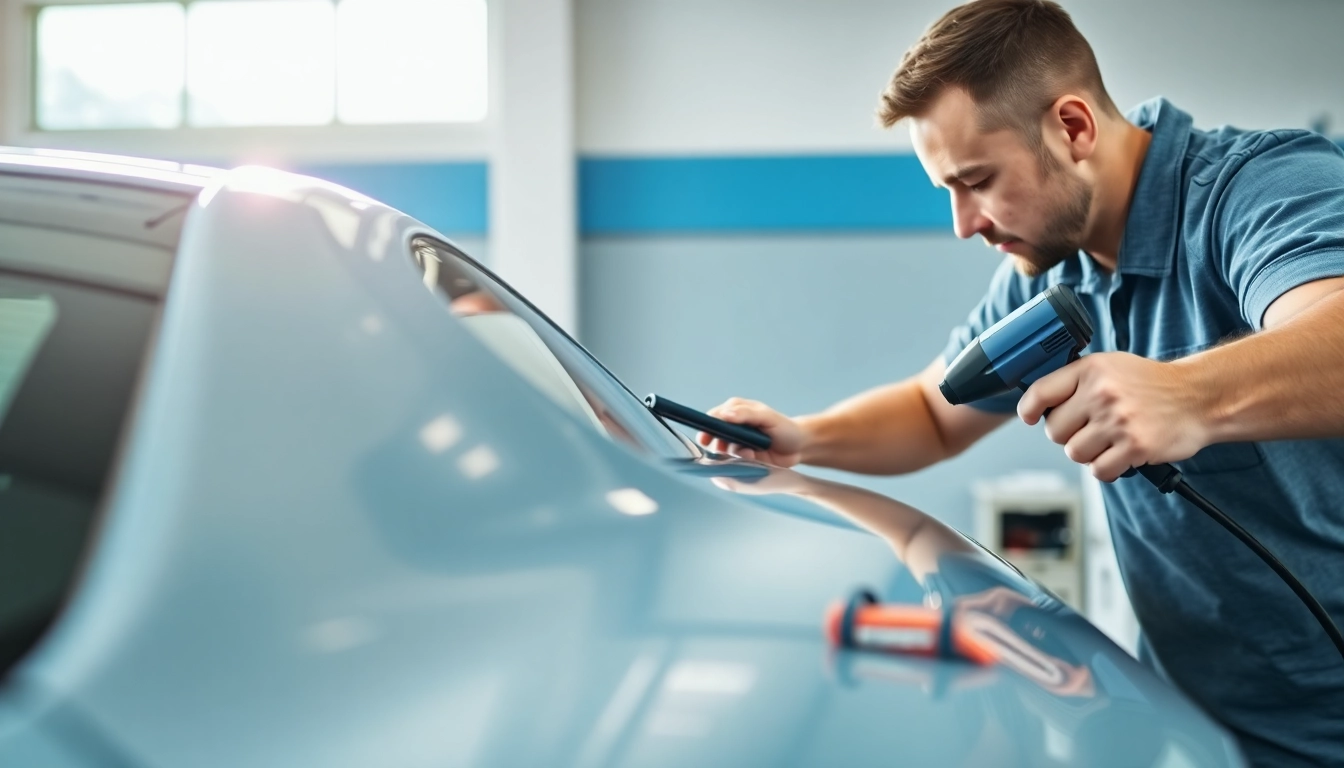
The application of paint protection film is a meticulous process that involves cleaning the vehicle surface to remove any dirt, wax, or contaminants. Once the surface is prepared, the film is carefully applied, often using a solution to reduce bubbles and ensure perfect adhesion. The film forms a strong bond with the paint, creating a shield that absorbs impacts and prevents damage from environmental elements. Notably, because PPF is usually transparent, it does not alter the appearance of your vehicle, allowing you to enjoy its original shine.
Choosing the Right Paint Protection Film
Factors to Consider
When selecting paint protection film, consider various factors to ensure you get the right product:
- Quality: Invest in high-quality films that provide better durability and warranty coverage.
- Thickness: Thicker films usually offer better protection against impacts and may last longer.
- Self-Healing Capabilities: Films with self-healing properties can save you money on repairs over time.
- Clarity: Ensure the film is transparent and maintains the original look of your vehicle without yellowing over time.
- Installation Options: Determine if you prefer DIY kits or professional installation based on your comfort level.
Types of Paint Protection Films
There are several types of paint protection films available on the market. Understanding the differences can help you make an informed decision. Common types include:
- Standard PPF: Provides basic protection and is ideal for daily drivers.
- Self-Healing PPF: Contains advanced technology to heal minor scratches and swirls when exposed to heat.
- Matte PPF: Designed for matte finishes, offering protection without altering the vehicle’s aesthetic.
- Ceramic-infused Films: These films combine traditional PPF with ceramic technology, enhancing scratch resistance and hydrophobic properties.
Comparative Analysis of Brands
While exploring options, it’s essential to recognize that not all paint protection films are created equal. Some reputable brands offer superior durability and performance than others. Factors such as warranty, thickness, and technology should guide your comparison. Look into customer reviews and testimonials for reliable insights regarding specific brands. Ultimately, choosing a reputable brand can impact the longevity and effectiveness of the film.
Finding Paint Protection Film Near Me
Researching Local Providers
Start by conducting thorough research to find paint protection film near me. Look for local providers who specialize in automotive films. Online searches, community forums, and social media platforms can help identify reputable installers. Local car clubs and enthusiast groups can also provide recommendations based on their experiences. Be sure to check the provider’s website for product offerings and services.
Assessing Reviews and Recommendations
Reviews and customer testimonials are invaluable when assessing local providers. Websites like Google Reviews, Yelp, and specialized automotive forums often feature feedback on service quality, product offerings, and installation expertise. Pay specific attention to recurring themes in reviews, whether positive or negative, to gauge the reliability of the service. Don’t hesitate to ask connections for personal recommendations, as word-of-mouth can often lead to trustworthy options.
Asking the Right Questions
When contacting potential installers, asking the right questions can help you evaluate their expertise and the quality of their offerings:
- What brands of paint protection film do you use?
- Can you provide samples of the film and warranty details?
- What is the installation process and estimated time for completion?
- Do you have examples or photos of previous work?
- What aftercare products do you recommend for maintenance?
Installation Process for Paint Protection Film
What to Expect During Installation
The installation process for paint protection film generally involves several steps. Initially, the vehicle surface will need to be meticulously cleaned to ensure proper adhesion. Depending on the method—using pre-cut patterns or custom templates—the installer will carefully apply the film using a spray solution to minimize bubbles. After application, the installer will check for any imperfections and address them promptly. Expect the total process to take a few hours, allowing for complete drying and cure time.
DIY vs. Professional Installation
While DIY paint protection film kits are available, professional installation is typically recommended for the best results. Professional installers possess the training and experience necessary to navigate the complexities of PPF application, ensuring a seamless finish. That said, passionate DIYers may consider tackling PPF application themselves. In this case, use high-quality kits that come with detailed instructions, and ensure to practice careful preparation and precise application techniques.
Post-Installation Care Tips
To maintain the integrity and appearance of the paint protection film, follow these post-installation care tips:
- Avoid washing the vehicle for at least 48 hours post-installation to allow the adhesive to cure fully.
- Use pH-neutral soap and microfiber cloths for washing.
- Avoid abrasive cleaners that can damage the film’s surface.
- Regularly inspect the film for any signs of lifting or damage and address them promptly.
- Apply a ceramic coating to further enhance the protection and hydrophobic properties of the film.
Frequently Asked Questions
How long does paint protection film last?
Typically, paint protection film lasts between 5 to 10 years, depending on the quality and maintenance.
Can paint protection film be removed?
Yes, paint protection film can be safely removed without damaging the underlying paint if done correctly.
Does paint protection film affect the car’s color?
No, quality films are designed to be transparent and preserve the car’s original paint color.
Is paint protection film worth the investment?
Yes, it provides lasting protection against scratches, chips, and UV damage, enhancing resale value.
How do I maintain my paint protection film?
Regular washing and avoiding abrasive cleaners will help maintain the film’s appearance and longevity.