Introduction to the Fire Tetrahedron
Understanding fire is essential in ensuring safety in various environments, from residential homes to industrial facilities. Central to fire science is the concept of the fire tetrahedron, which builds upon the foundational elements of combustion. This article will explore the fire tetrahedron in depth, detailing its significance and applications in fire science and safety practices.
What is the Fire Tetrahedron?
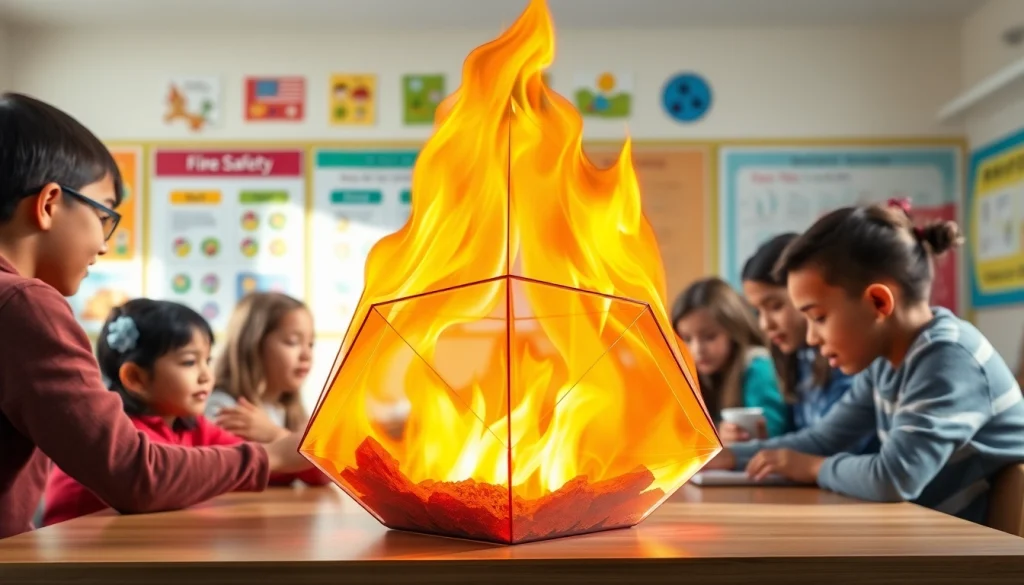
The fire tetrahedron is a model that provides a more comprehensive understanding of fire compared to the traditional fire triangle. It consists of four critical elements: heat, fuel, oxygen, and the chemical chain reaction. Each of these components contributes to the combustion process and highlights the interplay that sustains a fire. By recognizing all four elements, safety professionals can devise more effective prevention and mitigation strategies against fire hazards.
Historical Background of Fire Science
The study of fire dates back to ancient civilizations, where fire was both revered and feared. Over the centuries, scientific inquiries into fire have evolved, leading to significant developments in understanding combustion and its physical and chemical properties. Early theories often focused on fire as a substance rather than a process, often leading to incomplete safety regulations. In the mid-20th century, researchers began to articulate the need for better models that could encapsulate the complexities of fire, laying the foundation for the fire tetrahedron model we use today.
The Importance of the Fire Tetrahedron in Safety
The importance of the fire tetrahedron cannot be overstated. This model serves as a vital tool for firefighters, engineers, and safety inspectors. By assessing each element of the tetrahedron, these professionals can develop effective fire prevention strategies, ensuring that fire safety measures are both thorough and proactive. Understanding how to eliminate one or more elements of the tetrahedron plays a pivotal role in reducing fire hazards in various environments.
The Four Elements of the Fire Tetrahedron
Heat: The Initiating Factor
Heat is generally the first element that initiates the combustion process. It can come from various sources, including open flames, electrical sparks, or even friction. Heat raises the temperature of fuel to its ignition point, enabling the fire to start. Understanding the sources and types of heat can greatly assist in identifying potential fire risks in workplaces and homes. For instance, manufacturers can implement thermal sensors and maintain equipment to reduce the risk of overheating.
Fuel: Understanding Combustibles
Fuel refers to any substance that can combust, including solid, liquid, and gaseous materials. Different fuels have unique characteristics regarding their ignition points, flammability, and burning behavior. By analyzing the types of fuel present in an environment, one can pinpoint potential fire hazards. Effective inventory management and proper storage practices are essential in minimizing the risk of fires related to combustibles.
Oxygen: The Essential Element for Combustion
Oxygen is vital for sustaining combustion. It typically exists in the atmosphere at around 21% concentration, which is sufficient for most fire scenarios. However, certain settings, such as hospitals or laboratories, may have higher oxygen concentrations that could enhance fire risks. By implementing measures such as monitoring oxygen levels and improving ventilation systems, the risk of oxygen-related fire hazards can be minimized.
Fire Triangle vs. Fire Tetrahedron
Key Differences and Similarities
While both the fire triangle and fire tetrahedron illustrate the necessary components of a fire, the tetrahedron offers a more robust framework. The fire triangle consists of heat, fuel, and oxygen, but overlooks the fourth critical element—the chemical chain reaction. This omission can lead to an incomplete understanding of how fires can sustain and extinguish; recognizing all components is crucial for effective fire prevention and control.
Why the Tetrahedron is More Comprehensive
The fire tetrahedron’s inclusion of the chemical chain reaction provides valuable insights into the processes that maintain combustion. Understanding this chain reaction allows safety professionals to target their strategies effectively—for instance, employing fire suppressants that disrupt this chain reaction can be particularly effective during fire emergencies. This holistic view enables more strategic planning in fire safety measures.
Practical Applications of the Tetrahedron Concept
The fire tetrahedron’s principles are applicable in various fields, from industrial fire safety protocols to residential fire prevention techniques. For instance, building codes now often require systems that can eliminate one or more elements of the fire tetrahedron. Likewise, fire drills and training emphasize the importance of identifying sources of heat, potential fuels, and oxygen-rich environments, ensuring preparedness for actual fire scenarios.
Fire Prevention Strategies Based on the Tetrahedron
Identifying Risks in Different Environments
Identifying fire risks requires a detailed assessment of the environment. In industrial settings, conducting regular audits of flammable materials and heat sources is crucial. In residential areas, examining electrical systems, kitchen practices, and the storage of flammable items can help uncover risks. Utilizing checklists and conducting routine inspections are effective ways to systematically identify and mitigate fire risks.
Mitigating Elements of the Fire Tetrahedron
Mitigating fire risks involves addressing one or more elements of the tetrahedron. For example, in a factory setting, one might implement heat detection systems, proper storage for combustible materials, and adequate ventilation to reduce oxygen levels. Employing suppression systems that target the chemical chain reaction can dramatically improve safety as well. Each strategy should be tailored to the specific environment and operations involved to maximize effectiveness.
Case Studies: Successful Fire Safety Implementations
Numerous case studies showcase the successful application of fire tetrahedron principles. A notable example includes a large manufacturing plant that instituted a comprehensive fire safety program, which involved regular training, the installation of advanced fire suppression systems, and stringent safety protocols. As a result, the company decreased its fire incidents by over 50% in just two years. Implementing systematic strategies based on the fire tetrahedron can lead to measurable improvements in safety and risk management.
Future Trends in Fire Science and Safety
Advancements in Fire Prevention Technologies
As technology continues to advance, new fire prevention technologies are emerging. Innovations in sensors, artificial intelligence, and system integration have the potential to revolutionize how fire risks are monitored and mitigated. For instance, smart buildings equipped with advanced fire detection systems can instantly alert occupants and emergency services, drastically improving response times and outcomes in fire emergencies.
The Role of Education in Fire Safety
Education is crucial in fostering a culture of fire safety. Training programs for employees, public seminars, and school educational campaigns can ensure individuals are equipped with the knowledge necessary to understand fire dynamics. Online courses and interactive simulations can further enhance learning experiences, teaching participants how to react during fire emergencies and how to implement safe practices.
Emerging Research on Fire Dynamics and Control
Ongoing research into fire dynamics and control is expanding the understanding of how fires behave under various conditions. Researchers are investigating materials that can withstand higher temperatures or that can suppress fire without releasing harmful gases, thus contributing to safer environments. As these studies continue, they have the potential to significantly influence fire prevention practices and regulations across industries.
Conclusion
Understanding the fire tetrahedron provides valuable insights into fire science and safety measures. By examining each of the four elements—heat, fuel, oxygen, and the chemical reaction—professionals can implement more informed fire prevention strategies. As technology and research progress, the application of the tetrahedron model will likely evolve, continually enhancing our ability to prevent and manage fire risks effectively.