
Understanding Fly Fishing for Bass
What is Fly Fishing for Bass?
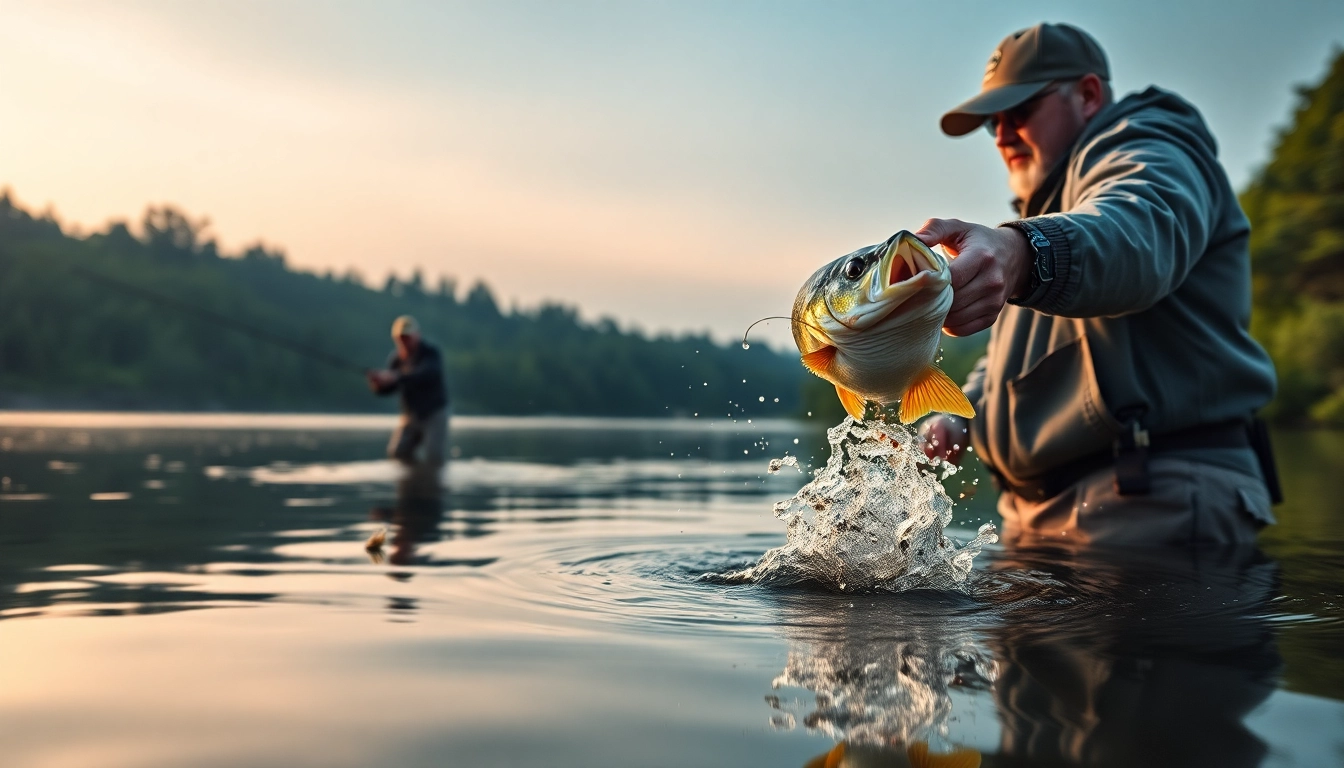
Fly fishing for bass is an exciting and dynamic method of targeting these popular freshwater game fish using artificial flies. It differs significantly from conventional fishing techniques, employing specially designed gear and casting techniques to mimic natural prey. The unique aspect of fly fishing is its focus on presentation and precision, allowing anglers to entice bass with realistic movements. By understanding the behavior and habitat of bass, anglers can effectively leverage this technique for a rewarding fishing experience. For a more in-depth look at fly fishing methods, you might want to explore Fly fishing for bass guides and resources.
The Best Bass Species for Fly Fishing
In North America, two primary species of bass are most commonly pursued using fly fishing techniques: Largemouth Bass and Smallmouth Bass. Each species has distinctive characteristics and preferred habitats.
- Largemouth Bass: Recognized by their large mouths and preferred habitat in warmer, weedy waters, Largemouth Bass are known for their aggressive strikes, making them a favorite among anglers.
- Smallmouth Bass: Smaller in size but fierce in their fight, Smallmouth Bass thrive in rocky, cooler waters such as rivers and lakes. They tend to be more selective feeders compared to their Largemouth counterparts.
Essential Gear for Bass Fly Fishing
Choosing the right gear is crucial for successful fly fishing for bass. The fundamental components of your setup include:
- Fly Rod: A 6 to 8-weight rod is recommended for handling bass effectively. This range provides enough backbone to cast larger flies while still allowing for sensitivity.
- Fly Reel: A large arbor reel is ideal, enabling fast line retrieval and better control over the fish. Look for one with a smooth drag system to manage strong runs.
- Lines and Leaders: Floating lines are commonly used, but sink-tip lines can be effective in deeper waters. Leaders can follow the 60/20/20 rule for optimal performance.
- Flies: Various patterns, including poppers, streamers, and divers, cater to different fishing conditions. Experiment with sizes and colors to discover what attracts bass effectively.
Techniques for Successful Bass Fly Fishing
Effective Casting Techniques
Mastering your casting technique is vital in fly fishing for bass. Here are some effective strategies:
- Overhead Casting: This fundamental technique allows for distance and accuracy, essential in targeting specific spots where bass may be hiding.
- Roll Casting: Ideal for tight spaces, roll casting helps deliver your fly without excessive backcasting, especially in heavily vegetated areas.
- Double Haul: For increased line speed and distance, use the double haul technique. This skill can significantly improve your casting performance in windy conditions.
Choosing the Right Fly Patterns
Your choice of flies can dramatically influence your success. Key patterns for bass include:
- Deer Hair Poppers: These surface flies create enticing noise and movement that bass find irresistible, making them a staple for topwater action.
- Clouser Minnows: As mimics of small baitfish, Clouser patterns work effectively at various depths, particularly when retrieved with a steady strip.
- Woolly Buggers: These versatile flies can imitate various underwater creatures, adapting well to various conditions and fishing techniques.
Seasonal Considerations for Bass Behavior
Understanding how bass behavior changes with the seasons will improve your effectiveness on the water:
- Spring: As the water warms, bass move into shallower waters for spawning, making them more accessible for anglers.
- Summer: Bass seek cooler, deeper waters during the heat, often placing them near structures or vegetation for shade.
- Fall: As temperatures drop, bass become more aggressive in feeding, making this an ideal season for catching larger fish.
- Winter: Bass become less active and migrate to deeper waters. Targeting them requires specialized techniques and understanding of their slowed-down behavior.
Strategies to Improve Your Fly Fishing for Bass
Understanding Water Conditions
Water conditions greatly influence bass behavior. Pay attention to factors such as:
- Temperature: Bass are cold-blooded and prefer temperatures between 68°F and 78°F for optimal activity.
- Clarity: Clear water can make bass more cautious, while murky waters may encourage aggressive feeding.
- Current: In moving water, understanding how currents affect bait movement can help you position your fly more effectively.
Locating Bass in Different Environments
Each fishing environment presents unique opportunities to locate bass:
- Weed Beds: Bass often hide in or around weed beds, where they can ambush prey. Casting near these areas can yield bites.
- Rock Structures: Bass are notorious for holding behind rocks and ledges, utilizing them as cover from predators.
- Fallen Trees: These provide excellent opportunities for bass habitat. Cast near and around the wood to entice them out.
Adjustments for Varied Weather Patterns
Weather plays a significant role in fishing success. Adjust your approach based on:
- Sunny Days: Bass may move to deeper waters or seek shade, so adjust your fly selection accordingly.
- Cloudy Days: These conditions can increase bass activity; utilizing topwater flies can yield great results.
- Rainy Weather: Rain can create an exceptional bite. Flooded conditions may push bass into more accessible areas.
Best Practices for Fly Fishing for Bass
Flatwater vs. Moving Water Techniques
It’s important to adapt your techniques based on the type of water you’re fishing:
- Flatwater: Cast long lines and use subtle retrieves to mimic the movement of prey.
- Moving Water: Focus on pocket water where current slows, and utilize a dead-drift presentation with your flies.
How to Read Water and Structure
Reading water requires understanding flows, currents, depths, and fish habitats:
- Surface Indicators: Observe ripples and disturbances on the water’s surface for signs of bass activity.
- Depth Changes: Use sonar equipment where available to understand depth variations that correlate with bass movements.
- Vegetative Structures: Identify areas with submerged vegetation or other structures that can hold fish.
Common Mistakes to Avoid
To improve your fly fishing experience, steer clear of these common pitfalls:
- Overcasting: Too much distance can reduce accuracy. Focus on precision over distance.
- Poor Fly Selection: Using the same pattern without considering conditions can hinder success. Vary your flies based on current weather and water conditions.
- Lack of Patience: Bass can be finicky. If one spot isn’t producing, don’t hesitate to change your location.
Frequently Asked Questions about Fly Fishing for Bass
Is fly fishing effective for catching bass?
Yes, fly fishing can be very effective for catching bass. Using larger and varied fly patterns increases your chances of attracting larger fish, as they are generally opportunistic feeders.
What type of fly rod is best for bass?
A 6 to 8-weight fly rod is typically best for bass fishing. This range provides the strength needed to handle larger fish while allowing enough sensitivity for smaller.bass.
When is the best time to fly fish for bass?
The best times to fly fish for bass are during the spring and fall when bass are most active. Early mornings and late afternoons can also provide prime fishing opportunities.
What are the best flies for bass fishing?
Popular flies for bass include deer hair poppers, Clouser minnows, and Woolly Buggers. Choosing flies that match the size and color of local baitfish increases effectiveness.
How can I increase my chances of catching bass?
To enhance your chances, focus on fly selection that mimics local prey, understand seasonal behavior, and pay attention to water conditions. Patience and adaptability are key.